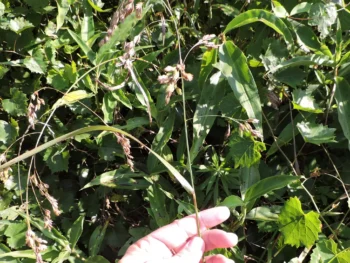
Clustered Fescue: A Versatile Native Grass for Shade Gardens
If you’ve been searching for a native grass that thrives in those tricky shady spots where other plants struggle, meet your new garden friend: clustered fescue (Festuca paradoxa). This unassuming perennial grass might not win any flashy flower contests, but it’s quietly working overtime to support local ecosystems while adding soft, natural texture to your landscape.
What Makes Clustered Fescue Special?
Clustered fescue is a true North American native, naturally found across a impressive range from Canada down through the eastern and central United States. You’ll find this adaptable grass growing wild in states from Alabama to Wisconsin, and from Delaware to Texas. It’s also known by the botanical synonyms Festuca nutans and Festuca shortii, which you might encounter in older gardening references.
As a facultative wetland plant, clustered fescue is remarkably flexible about moisture levels. Whether your garden tends toward the soggy side or runs a bit dry, this grass can adapt and thrive.
- Species observed
- No observations
Why Choose Clustered Fescue for Your Garden?
This native grass brings several compelling benefits to home landscapes:
- Shade tolerance: Unlike many grasses that demand full sun, clustered fescue actually prefers partial shade to full shade conditions
- Low maintenance: Once established, it requires minimal care and naturally self-seeds
- Erosion control: The root system helps stabilize soil on slopes and in rain gardens
- Wildlife habitat: Provides structure and cover for beneficial insects and small wildlife
- Natural appearance: Creates a soft, naturalistic look that complements woodland and prairie gardens
Perfect Garden Settings
Clustered fescue shines in several landscape applications:
- Woodland gardens and forest edges
- Rain gardens and bioswales
- Prairie restoration projects
- Naturalized areas and meadows
- Erosion-prone slopes
- Transition zones between formal and wild garden areas
Growing Conditions and Care
One of clustered fescue’s greatest strengths is its adaptability. This hardy perennial thrives in USDA zones 3-8, making it suitable for most temperate North American gardens.
Light requirements: Partial shade to full shade (can tolerate some morning sun)
Soil preferences: Adaptable to various soil types and pH levels, but prefers moist to moderately dry, well-draining soil
Moisture needs: Moderate moisture, though it can handle both wet and dry periods once established
Planting and Maintenance Tips
Getting clustered fescue established in your garden is refreshingly straightforward:
- Planting time: Spring or fall are ideal planting seasons
- Spacing: Allow 12-18 inches between plants for natural spreading
- Watering: Regular water during establishment, then drought-tolerant
- Fertilizing: Generally unnecessary – this grass thrives in average garden conditions
- Pruning: Cut back to 4-6 inches in late winter or early spring before new growth emerges
- Propagation: Readily self-seeds, or you can collect seeds for sowing elsewhere
Supporting Local Ecosystems
While clustered fescue is wind-pollinated rather than insect-pollinated, it still plays valuable ecological roles. The grass provides habitat structure that beneficial insects use for shelter and overwintering. Small wildlife appreciate the cover it offers, and the seeds may provide food for some bird species.
Is Clustered Fescue Right for Your Garden?
If you’re looking for a low-maintenance, native grass that can handle shade and varying moisture levels, clustered fescue deserves serious consideration. It’s particularly valuable if you’re working on habitat restoration, managing erosion, or simply want to incorporate more native plants into naturalized garden areas.
The main considerations? This grass spreads naturally through self-seeding, so if you prefer more controlled garden spaces, you’ll want to remove seed heads before they mature. Also, like most native grasses, it won’t provide the manicured look of traditional turfgrass – but that’s exactly what makes it perfect for creating authentic, sustainable landscapes.
With its impressive geographic range, adaptable nature, and valuable ecosystem services, clustered fescue proves that sometimes the most understated plants make the biggest difference in our gardens.