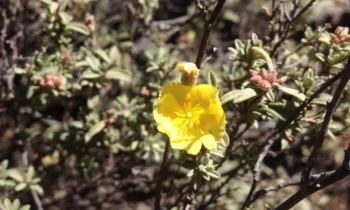
Clustered Frostweed: A Hidden Gem of Texas Native Wildflowers
If you’re looking to add some authentic Texas flair to your garden, you might want to get acquainted with clustered frostweed (Helianthemum glomeratum). This unassuming native perennial herb might not be the showiest plant in the wildflower world, but it’s got that quiet charm that makes native plant enthusiasts do a little happy dance.
What Exactly is Clustered Frostweed?
Clustered frostweed is a native Texas perennial that belongs to the rock-rose family. You might also see it listed under its scientific synonym, Crocanthemum glomeratum, in some older plant references. As a herbaceous perennial, it lacks the woody stems of shrubs and trees, instead growing as a soft-stemmed plant that returns year after year from its root system.
The clustered part of its name likely refers to how its flowers or growth pattern appears grouped together, while frostweed is a common name shared with several related species in the genus.
Where Does Clustered Frostweed Call Home?
This little native is endemic to Texas, making it a true Lone Star State original. While it’s native to the lower 48 states as a whole, its primary range appears to be concentrated in Texas ecosystems.
- Species observed
- No observations
Why Consider Clustered Frostweed for Your Garden?
Here’s the thing about lesser-known native plants like clustered frostweed – they’re often the unsung heroes of local ecosystems. While we don’t have extensive horticultural information about this specific species, there are several compelling reasons to consider it:
- True Texas native: Supporting local flora helps preserve regional biodiversity
- Perennial staying power: Once established, it should return year after year
- Low maintenance potential: Most native Texas plants are adapted to local conditions
- Ecological authenticity: Adds genuine local character to native plant gardens
The Challenge: Limited Growing Information
Here’s where we need to be honest – clustered frostweed isn’t your typical garden center find. Information about its specific growing requirements, appearance, and garden performance is quite limited. This often happens with native plants that haven’t made it into mainstream horticulture yet.
If you’re interested in growing clustered frostweed, you’ll likely need to:
- Source seeds or plants from native plant specialists
- Connect with Texas native plant societies for growing tips
- Observe how it grows in its natural habitat
- Start with a small test planting to learn its preferences
General Growing Guidance
While specific care instructions for clustered frostweed are scarce, we can make some educated guesses based on its Texas origins and herbaceous nature:
- Climate: Likely adapted to Texas heat and variable rainfall
- Soil: Probably tolerates a range of soil types common in Texas
- Water: As a native, it should handle periods of drought once established
- Sun exposure: Most Texas natives prefer full to partial sun
Is This Plant Right for You?
Clustered frostweed might be perfect if you’re:
- A native plant enthusiast who loves discovering rare gems
- Creating an authentic Texas ecosystem garden
- Interested in supporting local biodiversity
- Up for some gardening detective work
However, you might want to look elsewhere if you’re seeking:
- Well-documented garden performance data
- Easy-to-find plants at local nurseries
- Guaranteed showy flowers or dramatic foliage
The Bottom Line
Clustered frostweed represents the frontier of native gardening – those wonderful local plants that deserve more attention but haven’t quite made it into horticultural mainstream yet. If you’re drawn to botanical adventures and want to support Texas native flora, this could be an exciting addition to your garden. Just be prepared to become something of a plant detective in the process!
Consider starting with better-known Texas natives and adding clustered frostweed as an experimental accent plant. Who knows? You might just become one of the first gardeners to really figure out how to grow this Texas treasure successfully.