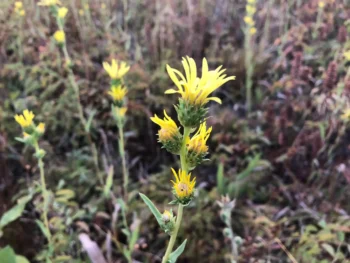
Clustered Goldenweed: A Late-Blooming Native Gem for Water-Wise Gardens
If you’re looking for a native perennial that brings sunshine to your garden when most other flowers are calling it quits for the season, clustered goldenweed (Pyrrocoma racemosa var. racemosa) might just be your new best friend. This cheerful wildflower is like that reliable friend who shows up fashionably late to the party but absolutely steals the show.
What Is Clustered Goldenweed?
Clustered goldenweed is a native perennial forb that belongs to the sunflower family. Don’t let the word weed fool you – this plant earned its common name simply because it’s tough as nails and grows in challenging conditions where other plants might struggle. It’s also known by its synonym Haplopappus racemosus, though most gardeners stick with the more pronounceable clustered goldenweed.
As a herbaceous perennial, this plant lacks woody stems but returns year after year from its root system. It produces clusters of bright yellow, daisy-like flowers that create a spectacular display in late summer and fall when many gardens are starting to look tired.
Where Does It Call Home?
This golden beauty is native to the western United States, specifically California and Oregon. It’s perfectly adapted to the Mediterranean climate and varied terrain of these regions, from coastal areas to inland valleys.
- Species observed
- No observations
Why Plant Clustered Goldenweed?
There are several compelling reasons to consider adding this native wildflower to your landscape:
- Late-season color: When most flowers are fading, clustered goldenweed bursts into bloom, providing crucial late-season nectar for pollinators
- Drought tolerance: Once established, it thrives with minimal water, making it perfect for water-wise gardening
- Pollinator magnet: Bees, butterflies, and other beneficial insects flock to its bright yellow blooms
- Low maintenance: This tough native requires little fussing once it’s settled in
- Native plant benefits: Supporting local ecosystems and wildlife with plants that naturally belong
Perfect Garden Settings
Clustered goldenweed shines in several garden styles:
- Native plant gardens: A natural choice for authentic regional landscapes
- Xeriscape designs: Ideal for water-conserving landscapes
- Wildflower meadows: Adds late-season interest to naturalized areas
- Pollinator gardens: Provides essential fall nectar when other sources are scarce
- Rock gardens: Thrives in well-drained, challenging conditions
Growing Conditions and Care
The beauty of clustered goldenweed lies in its simplicity. This plant has evolved to thrive in conditions that would stress many garden favorites:
- Sunlight: Full sun is preferred for best flowering
- Soil: Well-drained soils are essential – it’s more tolerant of poor soil than soggy conditions
- Water: Drought tolerant once established; avoid overwatering
- Hardiness: Suitable for USDA zones 7-10
- Maintenance: Minimal care required; may benefit from occasional deadheading
Planting and Establishment Tips
Getting clustered goldenweed established in your garden is refreshingly straightforward:
- Plant in spring or fall when temperatures are moderate
- Ensure excellent drainage – this is non-negotiable
- Water regularly during the first growing season to help roots establish
- Once established, reduce watering significantly
- Avoid fertilizing, as this native prefers lean soils
- Allow some flowers to go to seed to support wildlife and potential self-seeding
A Note on Conservation
Clustered goldenweed has a conservation status that suggests it may be somewhat uncommon in parts of its range. If you’re interested in growing this native beauty, be sure to source your plants or seeds from reputable native plant nurseries that practice responsible collection methods. This ensures you’re supporting conservation efforts rather than potentially impacting wild populations.
The Bottom Line
Clustered goldenweed is a fantastic choice for gardeners who want to support native ecosystems while enjoying a low-maintenance, drought-tolerant perennial that provides crucial late-season color and pollinator resources. Its cheerful yellow blooms are like a warm hug from nature just when you need it most – as the gardening season winds down and you’re already missing the abundance of summer flowers.
If you garden in California or Oregon and want to add an authentic native that pulls its weight in the landscape while supporting local wildlife, clustered goldenweed deserves serious consideration. Just remember to source it responsibly, and you’ll have a golden addition that celebrates the unique beauty of western native plants.