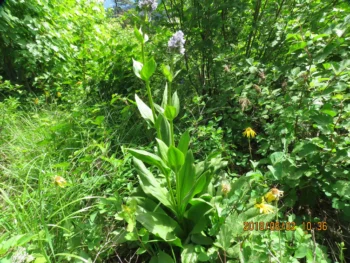
Clustered Green Gentian: A Towering Native Beauty for Patient Gardeners
If you’re looking for a native plant that makes a bold statement while supporting local ecosystems, meet the clustered green gentian (Frasera fastigiata). This impressive perennial might just be the conversation starter your garden needs – though it definitely rewards the patient gardener more than the instant-gratification type!
What Makes Clustered Green Gentian Special?
Don’t let the name fool you – while it’s called a gentian, this towering beauty is quite different from its smaller, more familiar cousins. Clustered green gentian is a true architectural plant that can reach an impressive 3 to 6 feet tall when it decides to flower. The plant produces striking spikes of clustered greenish-white flowers that create a dramatic vertical element in any landscape.
As a native forb (that’s gardener-speak for a non-woody flowering plant), it brings authentic regional character to your garden while requiring minimal fuss once established.
Where Does It Call Home?
This Pacific Northwest native has made itself at home across California, Idaho, Oregon, and Washington. It’s perfectly adapted to the cool, moist conditions of this region and thrives in the transitional zones between forests and meadows.
- Species observed
- No observations
A Plant Worth Waiting For
Here’s where clustered green gentian gets interesting – and tests your gardening patience. This perennial can take several years to reach flowering size, spending its early years building up energy in its root system. But when it finally decides to bloom, the wait is absolutely worth it. The dramatic flower spikes appear in summer and create an unforgettable display.
One important note: clustered green gentian has a somewhat uncertain conservation status, so if you’re planning to add it to your garden, make sure to source it from reputable native plant nurseries rather than wild-collecting.
Perfect Spots in Your Garden
This plant shines in several garden settings:
- Native plant gardens where you want to showcase regional flora
- Woodland garden edges where it can catch some sun
- Back-of-the-border plantings where its height won’t overshadow smaller plants
- Naturalistic landscapes that mimic wild meadow environments
Its tall, upright growth habit makes it an excellent backdrop plant, and its unique flowers provide textural interest that’s quite different from typical garden fare.
Growing Conditions and Care
Clustered green gentian is surprisingly adaptable once you understand its preferences. It thrives in USDA hardiness zones 5 through 8, making it suitable for most temperate gardens in its native range.
For best results, provide:
- Well-drained soil (it doesn’t like wet feet)
- Partial shade to full sun exposure
- Cool, moist conditions during the growing season
- Space to reach its full height without crowding
The good news? Once established, this native is quite low-maintenance. It’s adapted to natural rainfall patterns in its region and doesn’t typically need supplemental watering once mature.
Supporting Local Wildlife
Like many native plants, clustered green gentian pulls its weight in supporting local ecosystems. Its flowers attract various pollinators, including native bees and butterflies, providing nectar during its summer blooming period. By choosing native plants like this one, you’re creating habitat and food sources that local wildlife has co-evolved with over thousands of years.
Is Clustered Green Gentian Right for Your Garden?
This plant is ideal if you:
- Love unique, architectural plants with a wild appearance
- Don’t mind waiting a few years for the big payoff
- Want to support native plant conservation
- Have space for a tall, statement plant
- Garden in the Pacific Northwest or similar climate
However, you might want to look elsewhere if you need immediate impact, have very small spaces, or live outside its natural climate range.
The Bottom Line
Clustered green gentian offers something special: the chance to grow a truly distinctive native plant that connects your garden to the wild landscapes of the Pacific Northwest. Yes, it requires patience, and yes, you’ll need to source it responsibly. But for gardeners who appreciate unique beauty and want to support local ecosystems, this towering gentian relative is absolutely worth considering.
Just remember – good things come to those who wait, and clustered green gentian is definitely one of those good things!