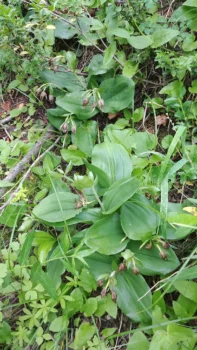
Clustered Lady’s Slipper: A Rare Native Orchid Worth Admiring (But Not Growing)
Meet the clustered lady’s slipper (Cypripedium fasciculatum), one of North America’s most elusive and enchanting native orchids. This remarkable perennial forb belongs to the prestigious family of lady’s slipper orchids, but unlike its more common cousins, this one plays particularly hard to get – both in the wild and in cultivation.
A True Western Native
The clustered lady’s slipper is a proud native of the lower 48 states, specifically calling the western regions home. You’ll find this botanical treasure naturally occurring across eight western states: California, Colorado, Idaho, Montana, Oregon, Utah, Washington, and Wyoming. It’s perfectly adapted to the unique conditions of western montane forests, where it quietly goes about its business in the understory.
- Species observed
- No observations
What Makes It Special
This isn’t your garden-variety wildflower – it’s a true orchid with all the mystique that comes with the family name. The clustered lady’s slipper produces distinctive pouch-shaped flowers that are typically pale yellow to greenish-white, creating an almost ethereal appearance in its shaded woodland habitat. As a perennial forb, it lacks significant woody tissue but returns year after year, provided its very specific needs are met.
The plant prefers facultative upland conditions, meaning it usually grows in non-wetland areas but can occasionally tolerate wetter conditions. This flexibility helps it thrive in the diverse microclimates of western mountain forests.
Why You Probably Shouldn’t Try Growing It
Here’s where we need to have an honest conversation. While the clustered lady’s slipper is absolutely stunning, it’s also one of the most challenging native plants you could possibly attempt to cultivate. Here’s why:
- Extreme rarity: This orchid is exceptionally rare in the wild, making any collection or disturbance potentially harmful to wild populations
- Complex soil relationships: Like most native orchids, it requires specific mycorrhizal fungi in the soil to survive – relationships that are nearly impossible to replicate in home gardens
- Specialized growing conditions: It needs very specific combinations of soil pH, moisture, temperature, and light that are difficult to maintain artificially
- Poor survival rates: Even experienced orchid growers struggle with native Cypripedium species
Appreciate It Responsibly
Instead of attempting to grow clustered lady’s slipper, consider these better alternatives:
- Support conservation efforts: Donate to organizations working to protect native orchid habitats
- Observe in the wild: If you’re lucky enough to encounter one, photograph it and leave it undisturbed
- Choose easier natives: Plant other western native woodland species that provide similar aesthetic appeal without the cultivation challenges
Growing Conditions (If You Must Try)
For the truly determined (and we cannot stress enough how challenging this is), clustered lady’s slipper requires:
- USDA Hardiness Zones: 3-7
- Light: Partial to full shade
- Soil: Cool, consistently moist but well-draining, acidic soil rich in organic matter
- Special requirements: Specific mycorrhizal fungi, cool root zone, excellent air circulation
The Bottom Line
The clustered lady’s slipper is a testament to the incredible diversity and specialization of western native plants. While it’s tempting to want to bring this beauty into our gardens, the most responsible approach is to admire it in its natural habitat and focus our gardening efforts on native plants that are more suitable for cultivation. By protecting wild populations and their habitats, we ensure that future generations will have the chance to marvel at these extraordinary orchids in their rightful home – the wild western forests where they belong.
Remember, sometimes the greatest act of love for a plant is knowing when to leave it alone.