Clustered Mountainmint: A Native Gem for Your Pollinator Paradise
Looking for a low-maintenance native plant that’ll have bees buzzing with excitement? Meet clustered mountainmint (Pycnanthemum muticum), a delightfully aromatic perennial that’s been quietly winning over gardeners across the eastern United States. This unassuming herb packs a punch when it comes to supporting pollinators and adding late-season interest to your garden.
What Makes Clustered Mountainmint Special?
Clustered mountainmint is a native North American perennial forb that belongs to the mint family. Don’t let the mint in its name fool you into thinking it’ll take over your garden like its more aggressive cousins – this well-behaved beauty knows its place. Also known by its botanical name Pycnanthemum muticum, this plant was historically classified as Koellia mutica, so you might see that name pop up in older gardening references.
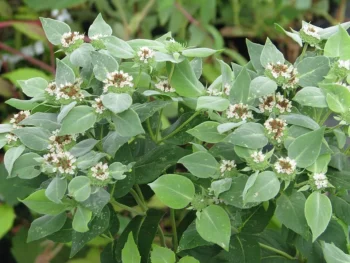
What really sets clustered mountainmint apart is its incredible ability to attract beneficial insects. The small, white to pale pink flowers form dense, flattened clusters at the top of stems, creating landing pads that pollinators absolutely adore. The silvery-white bracts beneath these flower clusters add an extra touch of elegance that catches the eye from across the garden.
Where Does It Call Home?
This native beauty has quite an impressive range, naturally occurring across much of the eastern United States. You’ll find wild populations thriving from Maine down to Georgia and as far west as Texas, with established populations in Alabama, Arkansas, Connecticut, Delaware, District of Columbia, Georgia, Illinois, Kentucky, Louisiana, Maine, Maryland, Massachusetts, Michigan, Mississippi, Missouri, New Hampshire, New Jersey, New York, North Carolina, Ohio, Pennsylvania, Rhode Island, South Carolina, Tennessee, Texas, Vermont, Virginia, and West Virginia.
- Species observed
- No observations
Why Your Garden (and Local Pollinators) Will Love It
Here’s where clustered mountainmint really shines – it’s a pollinator magnet that blooms when many other flowers are calling it quits for the season. From mid to late summer, when your garden might be looking a bit tired, this plant steps up to provide crucial nectar sources for:
- Native bees looking for late-season fuel
- Butterflies preparing for migration or winter
- Beneficial insects that help control garden pests
- Other pollinators that keep our ecosystems humming
Beyond its pollinator appeal, clustered mountainmint brings a subtle, minty fragrance to your garden. Brush against the leaves, and you’ll release that distinctive aroma that makes this plant a joy for all the senses.
Perfect Garden Companions and Placement
Clustered mountainmint is incredibly versatile when it comes to garden design. It’s a natural fit for:
- Pollinator gardens where it can mingle with other native blooms
- Prairie and meadow plantings for that authentic wildflower look
- Herb gardens where its aromatic qualities shine
- Cottage gardens that embrace a more relaxed, naturalized style
- Naturalized areas where you want low-maintenance beauty
The plant’s adaptable nature makes it suitable for various landscape roles, from filling in gaps in perennial borders to creating drifts in larger naturalized spaces.
Growing Conditions That Make It Happy
One of the best things about clustered mountainmint is how easygoing it is about growing conditions. This adaptable native thrives in USDA hardiness zones 3 through 8, making it suitable for most temperate climates.
When it comes to sunlight, clustered mountainmint performs best in full sun but will tolerate partial shade – though you might see fewer flowers in shadier spots. As for soil, this plant is refreshingly unfussy. It’ll grow happily in clay, loam, or sandy soils, making it perfect for those challenging spots where other plants struggle.
Here’s the really great news: clustered mountainmint has an interesting relationship with moisture. While it’s quite drought tolerant once established, its wetland status varies by region. In most eastern areas, it’s considered facultative, meaning it’s equally at home in both wet and dry conditions. However, in the Great Plains, it’s classified as an upland plant that prefers drier conditions. This flexibility makes it an excellent choice for gardens with varying moisture levels.
Planting and Care Made Simple
Getting clustered mountainmint established in your garden couldn’t be easier. Here’s your roadmap to success:
Planting: Spring or fall are ideal planting times. Space plants about 18-24 inches apart to allow for their natural spread. While specific height and spread information varies, most mountainmints form nice clumps that fill in over time.
Watering: Water regularly during the first growing season to help establish roots, then step back and let nature take over. Once established, this drought-tolerant native rarely needs supplemental watering.
Maintenance: Here’s where clustered mountainmint really wins points for being low-maintenance. It doesn’t require fertilization, and you can pretty much let it do its thing. If you’re concerned about self-seeding, deadhead the flowers after blooming. Otherwise, leave the spent flowers for winter interest and bird food.
Spread: Like many mints, clustered mountainmint can spread by underground rhizomes, but it’s much more polite about it than common garden mint. Still, give it room to naturalize if that fits your garden style.
Is Clustered Mountainmint Right for Your Garden?
If you’re looking for a native plant that delivers big benefits with minimal fuss, clustered mountainmint deserves a spot on your shortlist. It’s perfect for gardeners who want to support local wildlife while enjoying a beautiful, aromatic addition to their landscape. The late-season blooms fill a crucial gap when pollinators need it most, and the plant’s adaptability means it’ll work in a variety of garden situations.
The main consideration is space – while not aggressive, this plant does like to spread and naturalize. If you’re working with a very formal, controlled garden design, you might want to plant it where it has room to roam or be prepared to manage its spread.
For most gardeners, though, clustered mountainmint represents the perfect combination of beauty, ecological benefit, and ease of care. It’s a native plant that truly earns its keep, supporting pollinators while adding subtle charm and fragrance to your outdoor space. Give it a try – your garden (and the bees) will thank you!