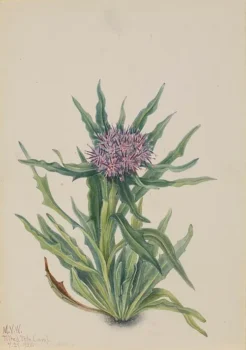
Clustered Sawwort: A Hardy Mountain Native for Specialized Gardens
If you’re looking for a tough-as-nails native perennial that can handle harsh conditions, meet clustered sawwort (Saussurea densa). This little mountain warrior might not be the showiest plant in your garden, but it brings authentic alpine character and surprising resilience to the right growing situation.
What is Clustered Sawwort?
Clustered sawwort is a native perennial forb that belongs to the sunflower family. As a herbaceous plant, it lacks woody stems but returns reliably year after year from its root system. Don’t let its modest size fool you – this plant is built to survive in some of the most challenging environments nature can dish out.
You might also see this plant listed under its scientific synonyms Saussurea nuda var. densa or Saussurea nuda ssp. densa in older gardening references.
Where Does Clustered Sawwort Call Home?
This hardy native is naturally found in the mountainous regions of western North America, with Montana being its primary stronghold in the lower 48 states. In the wild, you’ll find it thriving at high elevations where few other plants dare to grow.
- Species observed
- No observations
Why Consider Clustered Sawwort for Your Garden?
Here’s what makes this mountain native special:
- Authentic native appeal: Perfect for gardeners committed to using only native species
- Extreme cold hardiness: Thrives in USDA zones 3-7, handling brutal winter conditions
- Drought tolerance: Once established, it needs minimal supplemental watering
- Pollinator magnet: The small purple composite flowers attract butterflies and native bees
- Compact growth: Won’t overwhelm small spaces or carefully planned designs
- Unique texture: Adds authentic alpine character to specialized garden designs
The Perfect Garden Setting
Clustered sawwort isn’t for every garden – and that’s perfectly okay! This plant shines in:
- Rock gardens: Looks right at home nestled between stones
- Alpine gardens: Essential for authentic high-elevation plant communities
- Xerophytic landscapes: Thrives in dry, challenging conditions
- Native plant gardens: Adds regional authenticity to Montana-focused designs
- Cold-climate gardens: Perfect for gardeners in harsh winter zones
Growing Clustered Sawwort Successfully
The key to success with clustered sawwort is understanding that it’s adapted to harsh mountain conditions. Here’s how to keep it happy:
Essential Growing Conditions
- Sunlight: Full sun is non-negotiable
- Soil drainage: Excellent drainage is critical – soggy soil will kill it
- Soil type: Thrives in rocky, sandy, or gravelly soils
- Water needs: Minimal once established; overwatering is more dangerous than drought
- Climate: Performs best in areas with cold winters and moderate summers
Planting and Care Tips
Getting clustered sawwort established requires patience and the right approach:
- Plant in spring after the last frost when soil can be worked
- Amend heavy clay soils with coarse sand or gravel to improve drainage
- Space plants according to their mature spread (specific dimensions vary)
- Water sparingly during the first growing season, then reduce further
- Avoid fertilizing – this plant prefers lean, nutrient-poor conditions
- Mulch with gravel or small stones rather than organic mulch
- Be patient – mountain natives often grow slowly but live long lives
Is Clustered Sawwort Right for Your Garden?
Clustered sawwort is definitely a specialized plant for dedicated native gardeners and those creating authentic alpine or rock gardens. It’s not the best choice if you’re looking for:
- Showy, long-blooming flowers
- Fast-growing plants for quick results
- Low-maintenance plants for casual gardeners
- Plants that thrive in rich, moist garden soil
However, if you’re passionate about native plants, creating habitat for local wildlife, or building an authentic mountain garden, clustered sawwort offers something truly special. Its clusters of small purple flowers provide nectar for high-elevation pollinators, and its presence connects your garden to the wild landscapes of the American West.
Remember, growing native plants like clustered sawwort is about more than just gardening – it’s about preserving and celebrating the unique plant communities that make each region special. When you choose natives, you’re creating habitat, supporting local ecosystems, and keeping botanical heritage alive in your own backyard.