Clustered Sedge: A Rare Native Gem Worth Protecting
Meet clustered sedge (Carex cumulata), a humble yet important native plant that’s flying under the radar in most gardens. While it might not win any beauty contests, this unassuming little sedge plays a crucial role in North American ecosystems and deserves a spot in conservation-minded gardens.
What Makes Clustered Sedge Special?
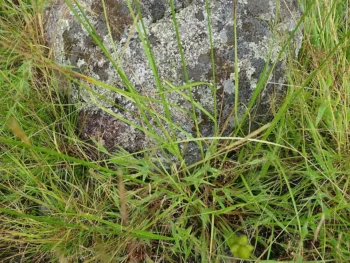
Clustered sedge is a perennial grass-like plant that belongs to the sedge family (Cyperaceae). True to its name, this modest plant produces small, clustered seed heads that give it a distinctive appearance among the sedge family. It forms neat little tufts of narrow leaves, creating a fine-textured groundcover that blends beautifully with other native plants.
Where Does It Call Home?
This native sedge has quite an impressive range across northeastern North America. You’ll find it naturally growing from southeastern Canada down through the Great Lakes region and into the northeastern United States. Its native range includes Manitoba, New Brunswick, Nova Scotia, Ontario, Prince Edward Island, Connecticut, Quebec, Illinois, Indiana, Maine, Massachusetts, Michigan, New Hampshire, New Jersey, New York, Pennsylvania, Rhode Island, Vermont, Wisconsin, Labrador, and Newfoundland.
- Species observed
- No observations
A Conservation Alert: Handle with Care
Important: Before you get excited about adding clustered sedge to your garden, there’s something crucial you need to know. This plant is listed as Endangered in New Jersey with an S1 rarity status, meaning it’s critically imperiled in that state. If you’re interested in growing clustered sedge, please make sure you’re sourcing it responsibly from reputable native plant nurseries that propagate their own stock rather than wild-collecting.
Growing Clustered Sedge Successfully
The good news is that clustered sedge is relatively adaptable once you understand its preferences. Here’s what you need to know:
Growing Conditions
- Sunlight: Partial shade to full sun
- Soil: Adapts to various soil types, from moist to moderately dry
- Wetland status: Facultative Upland (usually found in non-wetlands but can tolerate wetland conditions)
- USDA Hardiness Zones: 3-7
Planting and Care Tips
- Plant in spring or early fall for best establishment
- Space plants appropriately to allow for natural spreading
- Water regularly during the first growing season
- Once established, this low-maintenance native requires minimal care
- May self-seed in favorable conditions
Where Does It Fit in Your Garden?
Clustered sedge isn’t your typical showstopper, but it’s perfect for specific garden situations:
- Native plant gardens: Adds authentic regional character
- Restoration projects: Helps recreate natural plant communities
- Naturalized landscapes: Provides subtle texture and seasonal interest
- Conservation gardens: Supports local biodiversity
Wildlife and Ecosystem Benefits
While clustered sedge might look unassuming, it’s working hard behind the scenes to support local ecosystems. As a wind-pollinated plant, it doesn’t directly attract pollinators like showy flowers do, but it contributes to the complex web of native plant communities that many wildlife species depend on.
Should You Plant Clustered Sedge?
If you’re a native plant enthusiast interested in supporting biodiversity and conservation, clustered sedge could be a meaningful addition to your garden. Just remember these key points:
- Only purchase from reputable sources that propagate their own plants
- Consider it for naturalized areas rather than formal garden beds
- Appreciate it for its ecological value rather than ornamental impact
- Be patient – like many natives, it may take time to establish and show its worth
Clustered sedge might not be the flashiest plant in the native garden world, but for gardeners committed to supporting local ecosystems and rare native species, it represents something valuable: a chance to be part of conservation right in your own backyard. Sometimes the most important plants are the quiet ones working behind the scenes.