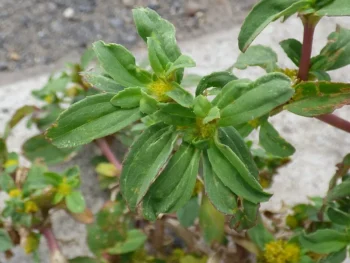
Clustered Yellowtops: A Cheerful Native Annual for Sunny Spaces
If you’re looking for a low-maintenance native plant that brings bright yellow blooms to your garden, clustered yellowtops (Flaveria trinervia) might just be the cheerful addition you’ve been seeking. This unassuming annual wildflower packs a surprising punch with its dense clusters of tiny golden flowers and adaptable nature.
Getting to Know Clustered Yellowtops
Clustered yellowtops is an annual forb – essentially a non-woody flowering plant that completes its entire life cycle in one growing season. Don’t let its humble stature fool you; this little powerhouse produces abundant blooms that can brighten up any sunny corner of your landscape. You might also see it listed under its former scientific name, Oedera trinervia, in older gardening references.
True to its common name, this plant produces clusters of small, bright yellow composite flowers arranged in flat-topped displays. The narrow leaves feature three distinct veins (hence trinervia), giving the plant a delicate, almost grass-like appearance when not in bloom.
Where Clustered Yellowtops Calls Home
This native beauty has quite an impressive range across the United States and beyond. You’ll find clustered yellowtops naturally occurring in Alabama, Arizona, California, Florida, Maryland, Massachusetts, Missouri, New Mexico, South Carolina, Texas, Virginia, and Puerto Rico. It has also established itself in Hawaii, where it grows as a naturalized non-native species.
- Species observed
- No observations
Why Consider Clustered Yellowtops for Your Garden?
There are several compelling reasons to give this native annual a spot in your landscape:
- Pollinator magnet: The abundant small flowers attract bees, flies, and other beneficial insects
- Low maintenance: Once established, it requires minimal care and watering
- Drought tolerant: Perfect for water-wise gardening and xeriscapes
- Salt tolerant: An excellent choice for coastal gardens
- Self-seeding: Will readily reseed itself for next year’s display
- Versatile growing conditions: Adapts to both wetland and upland environments
Perfect Garden Settings
Clustered yellowtops shines in several landscape applications:
- Wildflower meadows and naturalized areas
- Coastal and seaside gardens
- Drought-tolerant landscapes and xeriscapes
- Native plant gardens
- Ground cover in sunny, well-draining spots
- Pollinator gardens and wildlife habitats
Growing Conditions and Care
One of the best things about clustered yellowtops is how easygoing it is about growing conditions. This adaptable annual thrives in USDA hardiness zones 8-11, though it can be grown as an annual in cooler zones since it won’t survive freezing temperatures.
For best results, provide:
- Full sun: At least 6-8 hours of direct sunlight daily
- Well-draining soil: While adaptable to various soil types, good drainage is essential
- Minimal water: Drought tolerant once established; avoid overwatering
- Space for spreading: Allow room for natural self-seeding
The plant’s wetland status varies by region – it can handle both wet and dry conditions, making it remarkably versatile for different garden situations.
Planting and Maintenance Tips
Getting started with clustered yellowtops is refreshingly simple:
- Direct sow seeds in spring after the last frost date
- Scatter seeds lightly over prepared soil and barely cover
- Water gently until germination occurs
- Thin seedlings if overcrowded
- Deadhead spent flowers to prevent excessive self-seeding, or leave them to ensure next year’s crop
Once established, clustered yellowtops requires minimal intervention. The biggest decision you’ll face is whether to deadhead the flowers to control spreading or let them go to seed for a naturalized look.
A Word of Consideration
While clustered yellowtops is native to much of the United States, it’s worth noting that it has naturalized in Hawaii as a non-native species. If you’re gardening in Hawaii, you might want to consider native alternatives that provide similar benefits without the ecological concerns of introduced species.
For gardeners in its native range, clustered yellowtops offers an excellent way to support local ecosystems while adding reliable color to sunny landscapes. Its ability to thrive with minimal inputs makes it a smart choice for sustainable gardening practices.
The Bottom Line
Clustered yellowtops proves that sometimes the most rewarding garden plants are the ones that ask for the least. This native annual delivers consistent blooms, supports pollinators, and adapts to a wide range of growing conditions – all while requiring minimal care from busy gardeners. Whether you’re creating a wildflower meadow, establishing a drought-tolerant landscape, or simply want to add some native charm to your garden, clustered yellowtops is definitely worth considering.