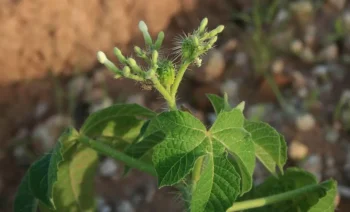
Cnidoscolus: The Native Plant You Definitely Don’t Want to Touch
If you’re browsing native plants for your garden and stumble across Cnidoscolus urens (also known simply as cnidoscolus), here’s some friendly advice: admire it from afar, but don’t bring it home! While this perennial herb is indeed native to the southeastern United States, it comes with a rather painful surprise that makes it unsuitable for most home gardens.
What Exactly Is Cnidoscolus?
Cnidoscolus urens is a native perennial forb that belongs to the spurge family. You might also see it listed under its botanical synonym, Jatropha urens. This herbaceous plant lacks woody tissue above ground, meaning it dies back to its roots each winter and regrows from underground structures each spring.
The plant produces distinctive palmate leaves and small white flowers that might seem charming at first glance. However, don’t let its innocent appearance fool you – this native comes armed with stinging hairs that can cause severe skin irritation and pain upon contact.
Where Does It Naturally Grow?
This southeastern native can be found growing wild across nine states:
- Alabama
- Florida
- Georgia
- Kentucky
- Louisiana
- Mississippi
- North Carolina
- South Carolina
- Virginia
- Species observed
- No observations
Why You Should Think Twice About Planting It
While we’re always advocates for native plants, cnidoscolus is one native that’s better left in the wild. Here’s why:
- Safety concerns: The plant is covered in stinging hairs that cause immediate and lasting pain when touched
- Not garden-friendly: Its aggressive defensive mechanisms make it dangerous around children, pets, and unsuspecting gardeners
- Limited ornamental value: While native, it doesn’t offer enough aesthetic appeal to justify the safety risks
- Maintenance challenges: Even routine garden maintenance becomes hazardous with this plant present
Growing Conditions (For Educational Purposes)
If you’re curious about where this plant thrives in nature, cnidoscolus typically grows in:
- USDA hardiness zones 8-10
- Well-drained soils
- Full sun to partial shade conditions
- Areas with poor to moderate soil fertility
The plant is quite adaptable and can tolerate challenging growing conditions, which explains its success in various habitats across the Southeast.
Better Native Alternatives for Your Garden
Instead of risking painful encounters with cnidoscolus, consider these safer native alternatives that offer similar benefits without the sting:
- Wild bergamot (Monarda fistulosa): Beautiful native perennial with aromatic leaves and pollinator-friendly flowers
- Coral honeysuckle (Lonicera sempervirens): Native vine with stunning tubular flowers that attract hummingbirds
- Purple coneflower (Echinacea purpurea): Gorgeous native perennial that’s both beautiful and beneficial for wildlife
- Wild columbine (Aquilegia canadensis): Delicate native perennial with unique spurred flowers
The Bottom Line
While cnidoscolus urens certainly deserves recognition as a legitimate native plant species, it’s definitely not one for the home garden. Its stinging hairs make it a safety hazard that outweighs any potential benefits it might offer. If you encounter it in the wild, appreciate it for its role in natural ecosystems – just don’t get too close!
Remember, being native doesn’t automatically mean a plant is right for cultivation. Sometimes the best way to support our native flora is to let certain species remain wild while we choose garden-friendly natives that we can safely enjoy up close.