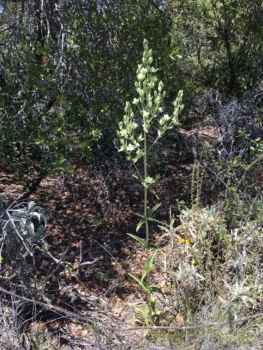
Coahuila Frasera: A Stunning Desert Native for Water-Wise Gardens
If you’re looking to add some serious drama to your desert or drought-tolerant garden, meet the Coahuila frasera (Frasera parryi). This impressive native perennial is like the tall, mysterious stranger of the plant world – it doesn’t show up to the party very often, but when it does, it commands attention!
What Makes Coahuila Frasera Special?
The Coahuila frasera is a true American native, calling the southwestern United States home. You’ll find this striking plant naturally growing in Arizona and California, where it has adapted perfectly to life in some pretty tough conditions. As a member of the gentian family, it brings a unique beauty that’s quite different from your typical desert plants.
This remarkable perennial is what botanists call a forb – basically, it’s an herbaceous plant without woody stems, but don’t let that fool you into thinking it’s delicate. This desert dweller is anything but fragile!
- Species observed
- No observations
A Plant That Knows How to Make an Entrance
Here’s where things get really interesting about the Coahuila frasera: it’s what we call a monocarpic plant, which is a fancy way of saying it takes its sweet time to bloom – sometimes waiting several years between flowering events. But oh, when it does bloom! The plant can shoot up to an impressive 3-6 feet tall, topped with dense clusters of showy white to pale green flowers that are absolutely spectacular.
The flowers aren’t just pretty to look at – they’re pollinator magnets. Bees, butterflies, and other beneficial insects flock to these blooms, making your garden a buzzing hub of activity during flowering periods.
Perfect for the Right Garden
The Coahuila frasera isn’t for every garden, and that’s perfectly okay! This plant shines brightest in:
- Xerophytic (drought-tolerant) gardens
- Desert landscaping projects
- Native plant gardens
- Rock gardens with excellent drainage
- Water-wise landscape designs
If you’re gardening in USDA hardiness zones 8-10 and dealing with dry conditions, this could be your new best friend.
Growing Coahuila Frasera Successfully
The secret to success with Coahuila frasera is remembering where it comes from. This plant evolved in desert and arid mountain regions, so it wants conditions that mimic its natural habitat:
Soil Requirements
Drainage is absolutely critical! Plant your Coahuila frasera in well-draining, rocky or sandy soil. If your soil holds water, you’ll need to amend it heavily with coarse sand, gravel, or pumice. Clay soil is a no-go unless you create a raised bed or mound.
Water Needs
Once established, this plant is incredibly drought-tolerant. During its first year, provide occasional deep watering to help establish the root system, but after that, natural rainfall should be sufficient in most areas. Overwatering is one of the quickest ways to kill this desert beauty.
Sun and Location
Full sun is preferred, though it can tolerate some light afternoon shade in extremely hot climates. Choose a location where the plant won’t be disturbed, as it develops a substantial root system over time.
Planting and Care Tips
- Plant in fall or early spring when temperatures are moderate
- Space plants at least 3-4 feet apart to accommodate their mature size
- Mulch lightly with gravel or small rocks rather than organic mulch
- Avoid fertilizing – these plants are adapted to nutrient-poor soils
- Be patient – it may take several years before you see that spectacular bloom
- Protect young plants from rabbits and other herbivores if necessary
Wildlife Benefits
While the Coahuila frasera might not be the most prolific bloomer, when it does flower, it provides valuable nectar for pollinators during its blooming period. The plant also offers some habitat value for smaller desert wildlife.
Is Coahuila Frasera Right for Your Garden?
This plant is perfect for gardeners who:
- Want to support native plants and local ecosystems
- Are creating water-wise landscapes
- Appreciate plants with unique, dramatic growth habits
- Have patience for plants that take time to mature
- Garden in appropriate climate zones (8-10)
However, it might not be the best choice if you:
- Want immediate gratification or annual blooms
- Have heavy, clay soil that you can’t modify
- Live in areas with high humidity or frequent rainfall
- Prefer plants that stay compact
The Bottom Line
The Coahuila frasera is definitely a plant for gardeners who appreciate the unique and dramatic. It rewards patience with absolutely stunning displays and supports local ecosystems as a true native. If you’re gardening in the right climate and can provide the well-draining conditions it craves, this desert native can become a real showstopper in your landscape.
Remember, growing native plants like Coahuila frasera isn’t just about creating a beautiful garden – it’s about supporting the local ecosystem and preserving these remarkable plants for future generations. Now that’s something worth waiting for!