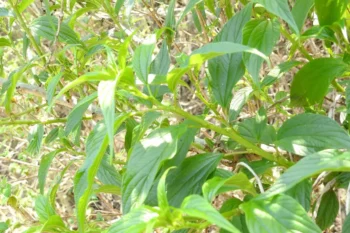
Coamo River Pouzolzsbush: A Rare Caribbean Native Worth Knowing About
If you’re passionate about native Caribbean plants, you might have stumbled across the intriguingly named Coamo River pouzolzsbush (Pouzolzia occidentalis). This lesser-known native shrub calls Puerto Rico and the U.S. Virgin Islands home, making it a true regional treasure for those lucky enough to garden in these tropical paradises.
What Exactly Is Coamo River Pouzolzsbush?
The Coamo River pouzolzsbush is a perennial shrub that belongs to the nettle family (Urticaceae). Don’t let the family connection worry you though – this multi-stemmed woody plant typically stays a manageable size, usually reaching less than 13 to 16 feet in height. Like many shrubs, it develops several stems that arise from or near the ground, giving it that classic bushy appearance we associate with native Caribbean vegetation.
You might also see this plant referenced by its botanical synonym, Leucococcus occidentalis, in older botanical literature.
Where Does It Grow?
This native gem is found exclusively in Puerto Rico and the U.S. Virgin Islands, making it a true Caribbean endemic. Its natural range is quite limited, which adds to its special character for regional gardeners who want to showcase truly local flora.
- Species observed
- No observations
Should You Plant Coamo River Pouzolzsbush?
Here’s where things get interesting – and a bit challenging. While this native shrub has obvious appeal for Caribbean gardeners who want to support local ecosystems, there’s surprisingly little information available about its cultivation requirements, aesthetic qualities, or garden performance. This makes it something of a mystery plant for most gardeners.
The Pros:
- It’s a true native species, supporting local biodiversity
- Perennial growth means it comes back year after year
- Manageable size for most garden spaces
- Unique conversation starter for plant enthusiasts
The Challenges:
- Very limited cultivation information available
- Unclear availability in nurseries
- Unknown aesthetic appeal and seasonal interest
- Specific growing requirements not well documented
Growing Conditions and Care
Given its native range in Puerto Rico and the U.S. Virgin Islands, you can safely assume that Coamo River pouzolzsbush thrives in tropical to subtropical conditions. This likely means it’s suited for USDA hardiness zones 10-11, where temperatures rarely dip below 30-40°F.
Beyond that, the specific details about soil preferences, water needs, light requirements, and care instructions remain largely undocumented in readily available gardening resources. This makes it a plant better suited for experienced native plant enthusiasts who enjoy experimentation rather than beginning gardeners looking for reliable guidance.
Wildlife and Pollinator Benefits
While specific data about this plant’s wildlife benefits isn’t readily available, native Caribbean shrubs typically provide some level of habitat and food sources for local fauna. However, without detailed studies, it’s impossible to make specific claims about its value to pollinators or other wildlife.
The Bottom Line
Coamo River pouzolzsbush represents an interesting dilemma for native plant gardeners in Puerto Rico and the U.S. Virgin Islands. While it has the appeal of being a true regional native, the lack of cultivation information makes it challenging to recommend wholeheartedly.
If you’re an experienced native plant gardener with a spirit of adventure, and you can source this plant responsibly, it could be an exciting addition to a collection focused on Caribbean endemics. However, if you’re looking for reliable native options with proven garden performance, you might want to consider better-documented Caribbean natives until more information becomes available about this intriguing species.
For most gardeners, the best approach might be to appreciate this plant in its natural habitat while supporting conservation efforts that protect the unique flora of Puerto Rico and the U.S. Virgin Islands.