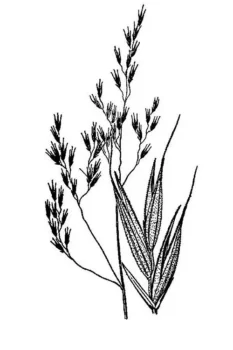
Coast Fescue: The Unsung Hero of Pacific Coast Gardens
If you’re looking for a native grass that won’t throw tantrums in your garden, meet coast fescue (Festuca elmeri). This humble perennial grass might not win any beauty contests against flashy wildflowers, but it’s the reliable friend every Pacific Coast gardener needs in their corner.
What Exactly Is Coast Fescue?
Coast fescue is a native perennial grass that calls the coastal regions of California and Oregon home. As a graminoid (that’s fancy talk for grass-like plant), it forms attractive clumps of slender, blue-green to gray-green leaves topped with delicate seed heads that dance in ocean breezes. Think of it as nature’s own coastal carpet – tough, practical, and surprisingly elegant when you give it a chance.
Where Does It Come From?
This Pacific native has been holding down the fort along California and Oregon’s coastal grasslands and bluffs for centuries. It’s perfectly adapted to the unique conditions of our coastal regions, from foggy mornings to salty air.
- Species observed
- No observations
Why Your Garden Will Thank You for Planting Coast Fescue
Here’s where coast fescue really shines – it’s the ultimate low-maintenance plant for busy gardeners. Once established, this tough grass practically takes care of itself. It’s drought-tolerant, handles various soil types like a champ, and provides excellent erosion control on slopes or coastal bluffs.
Coast fescue works beautifully in:
- Coastal gardens where salt spray is a concern
- Xeriscapes and water-wise landscapes
- Native plant gardens
- Naturalized areas that need groundcover
- Restoration projects
Growing Conditions That Make Coast Fescue Happy
The beauty of coast fescue lies in its adaptability. This grass thrives in USDA hardiness zones 7-10, making it perfect for most Pacific coastal areas. It prefers:
- Well-drained soils (though it tolerates both sandy and clay soils)
- Full sun to partial shade
- Mild coastal climates
- Minimal summer water once established
Planting and Care Tips
Getting coast fescue established is refreshingly straightforward. Plant in fall or early spring when temperatures are mild and natural rainfall can help with establishment. Water regularly during the first year to help roots get settled, then step back and let nature take over.
Annual maintenance is minimal – simply cut the grass back in late winter before new growth begins. That’s it! No fussy fertilizing schedules or complicated care routines required.
Wildlife and Environmental Benefits
While coast fescue might not attract swarms of butterflies like flowering plants do, it serves an important role in the ecosystem. The seeds provide food for birds and small wildlife, and the dense clumps offer shelter for beneficial insects and small creatures.
Is Coast Fescue Right for Your Garden?
Coast fescue is an excellent choice if you’re gardening in coastal California or Oregon and want a native, low-maintenance grass that won’t demand constant attention. It’s particularly valuable for gardeners dealing with challenging conditions like slopes, salt spray, or drought restrictions.
However, if you’re looking for a showstopper plant or live outside its natural range, you might want to consider other options. Coast fescue is more about quiet reliability than dramatic garden statements.
For Pacific Coast gardeners committed to native plants and sustainable landscaping, coast fescue deserves a spot in your plant palette. It may not be the star of the show, but every great garden needs its dependable supporting cast members.