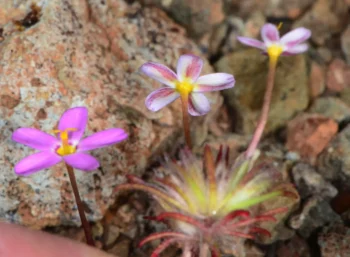
Coast Range Linanthus: A Delicate California Native Worth Protecting
Meet the Coast Range linanthus (Leptosiphon latisectus), a charming little California native that’s as delicate as it sounds. This petite annual wildflower might not win any showiest bloom contests, but what it lacks in size, it makes up for in ecological importance and understated beauty.
What Makes Coast Range Linanthus Special?
This lovely little forb is a true California original, found exclusively in the Golden State’s coastal ranges. As an annual herb, it completes its entire life cycle in just one growing season, producing tiny tubular flowers that typically range from white to pale pink. Don’t let its modest appearance fool you – this plant plays an important role in California’s native plant communities.
You might also see this plant listed under its former scientific name, Linanthus latisectus, but botanists now classify it as Leptosiphon latisectus. Same plant, updated name!
Where Does It Grow?
Coast Range linanthus is endemic to California, meaning you won’t find it growing wild anywhere else in the world. This makes it extra special – and extra important to protect. The plant naturally occurs in the state’s coastal mountain ranges, where it has adapted to the Mediterranean climate conditions.
- Species observed
- No observations
A Plant That Needs Our Help
Here’s something every gardener should know: Coast Range linanthus has a Global Conservation Status of S3, meaning it’s considered vulnerable. With typically only 21 to 100 occurrences or between 3,000 and 10,000 individuals remaining, this little wildflower is at risk of disappearing from our landscapes entirely.
If you’re considering adding this plant to your garden, please make sure you source it responsibly. Look for seeds or plants from reputable native plant nurseries that propagate their own stock rather than collecting from wild populations. Never collect seeds or plants from the wild – every individual counts when we’re talking about a vulnerable species.
Why Grow Coast Range Linanthus?
Despite its delicate nature, there are several compelling reasons to include this native in your garden:
- Support local pollinators: The small flowers attract native bees and other beneficial insects
- Low water needs: Once established, it’s quite drought-tolerant
- Authentic California landscaping: Perfect for native plant gardens and naturalized areas
- Conservation impact: Growing it helps preserve genetic diversity of this vulnerable species
- Self-seeding: As an annual, it will naturally reseed itself under the right conditions
Growing Conditions and Care
Coast Range linanthus thrives in USDA hardiness zones 8-10, which covers most of California’s climate regions. Here’s what this little native needs to flourish:
- Sunlight: Full sun to partial shade
- Soil: Well-draining soil is essential – soggy conditions will quickly kill this plant
- Water: Moderate water during establishment, then quite drought-tolerant
- Climate: Adapted to Mediterranean climate patterns
Planting and Care Tips
Since this is an annual, the easiest way to grow Coast Range linanthus is from seed. Here’s how to give it the best start:
- Direct seed in fall for spring germination (mimicking natural patterns)
- Scatter seeds on prepared soil surface – they need light to germinate
- Water gently until seedlings are established
- Once growing, reduce watering – overwatering is more harmful than drought
- Allow plants to set seed for next year’s display
Perfect Garden Companions
Coast Range linanthus works beautifully in wildflower meadows, native plant gardens, and xeriscape designs. Pair it with other California natives like poppies, lupines, and native grasses for a authentic regional display that supports local wildlife.
The Bottom Line
Coast Range linanthus might be small and vulnerable, but it’s a worthwhile addition to any California native garden. By growing this delicate beauty responsibly, you’re not just adding charm to your landscape – you’re participating in conservation efforts to protect a piece of California’s natural heritage. Just remember: source responsibly, plant thoughtfully, and enjoy watching this little survivor thrive in your garden while supporting the local ecosystem it has called home for thousands of years.