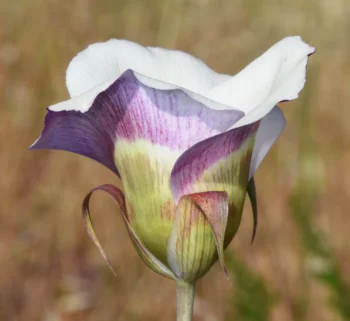
Coast Range Mariposa Lily: A Rare California Native Worth Growing
If you’re looking to add a touch of California’s natural beauty to your garden, the coast range mariposa lily (Calochortus vestae) might just be the perfect choice. This charming native wildflower brings delicate elegance and ecological value to any landscape, though its rarity makes it a special treasure that deserves our careful attention.
What Makes This Plant Special?
The coast range mariposa lily is a perennial forb – essentially a non-woody flowering plant that comes back year after year. As a true California native, it’s perfectly adapted to the Golden State’s unique climate and conditions. This plant belongs to the lily family and grows from underground bulbs, producing grass-like foliage topped with stunning cup-shaped flowers.
Where Does It Call Home?
This beautiful wildflower is endemic to California, meaning it grows nowhere else in the world naturally. You’ll find it specifically in the Coast Ranges, where it has evolved to thrive in the region’s Mediterranean climate. Its limited geographic distribution makes it a truly special addition to any native plant collection.
- Species observed
- No observations
A Word About Rarity
Here’s something important to know: the coast range mariposa lily has a Global Conservation Status of S3?, indicating it may be rare or uncommon. This means if you’re considering adding this beauty to your garden, please make sure to source it responsibly from reputable native plant nurseries or seed suppliers. Never collect from wild populations – let’s help preserve this special plant for future generations!
Why Gardeners Love It
There are plenty of reasons to fall in love with this native gem:
- Stunning cup-shaped flowers that bloom in late spring to early summer
- Typically white to pale yellow blooms with distinctive markings
- Attracts native bees and other beneficial pollinators
- Perfect for water-wise gardening
- Adds authentic California character to landscapes
- Goes dormant in summer, requiring minimal care during dry months
Perfect Garden Settings
The coast range mariposa lily shines in several garden styles:
- Native wildflower gardens
- Mediterranean-style landscapes
- Rock gardens with good drainage
- Drought-tolerant plantings
- Naturalized meadow areas
Growing Conditions and Care
Success with this native beauty comes from mimicking its natural habitat. Here’s what it needs to thrive:
Climate: Hardy in USDA zones 8-10, perfect for California’s Mediterranean climate
Sunlight: Full sun to partial shade
Soil: Well-draining soil is absolutely essential – these bulbs will rot in soggy conditions
Water: Moderate water during the growing season, but keep dry during summer dormancy
Planting and Care Tips
Getting your coast range mariposa lily established successfully requires some specific timing and techniques:
- Plant bulbs in fall when temperatures cool
- Ensure excellent drainage – consider raised beds or slopes if your soil is heavy
- Allow the foliage to die back naturally after blooming to feed the bulb
- Avoid watering during summer dormancy period
- Mulch lightly to suppress weeds but don’t bury the bulbs too deeply
Wildlife and Pollinator Benefits
Beyond its beauty, this native plant provides valuable ecosystem services. During its blooming period, it attracts native bees and other pollinators, supporting local biodiversity. As part of California’s natural heritage, it also provides habitat connections for native wildlife.
The Bottom Line
The coast range mariposa lily is a wonderful choice for gardeners who want to grow authentic California natives while supporting conservation efforts. Its delicate beauty, low water needs, and ecological benefits make it a valuable addition to the right garden setting. Just remember to source it responsibly and provide the well-draining conditions it needs to flourish. With proper care, you’ll be rewarded with years of lovely blooms and the satisfaction of growing a true California treasure.