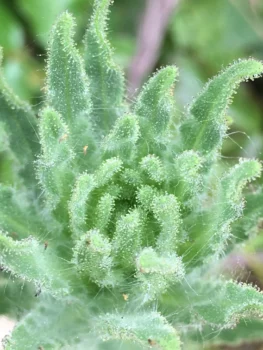
Coast Tarweed: A Late-Blooming Native Annual for Natural Gardens
If you’re looking for a no-fuss annual that blooms when most other wildflowers have called it quits for the season, coast tarweed (Madia sativa) might just be your new garden friend. This unassuming little native plant has a knack for showing up right when pollinators need it most – late in the growing season when nectar sources are getting scarce.
What is Coast Tarweed?
Coast tarweed is an annual forb that belongs to the sunflower family. Don’t let the tarweed name scare you off – while the plant does have a slightly sticky, aromatic quality to its foliage, it’s not nearly as intimidating as it sounds. The small, yellow daisy-like flowers appear in late summer and early fall, creating cheerful clusters atop slender stems.
This plant is also known by several botanical synonyms, including Madia capitata and various subspecies classifications, which can make identification a bit tricky if you’re browsing plant databases or seed catalogs.
Where Does Coast Tarweed Grow?
Coast tarweed has an interesting geographic story. It’s native to western North America, particularly the Pacific Coast region, as well as Alaska and parts of the lower 48 states. However, it has also naturalized in many other areas, including parts of Canada, Hawaii, and various eastern and midwestern U.S. states including Alabama, Connecticut, Delaware, Florida, Georgia, Indiana, Iowa, Maine, Maryland, Massachusetts, New York, North Carolina, Pennsylvania, Vermont, and Wisconsin.
- Species observed
- No observations
Should You Grow Coast Tarweed?
The answer depends on your gardening goals and location. Here are some reasons you might want to consider this plant:
- Provides late-season nectar for pollinators when few other flowers are blooming
- Extremely low-maintenance once established
- Tolerates poor, sandy, or gravelly soils where other plants struggle
- Self-seeds readily, creating natural drifts in informal gardens
- Drought-tolerant and perfect for water-wise gardening
However, coast tarweed isn’t for every garden. It has a somewhat weedy appearance that won’t suit formal landscapes, and its tendency to self-seed might not appeal to gardeners who prefer controlled plantings. If you live in an area where it’s not native, you might want to consider native alternatives that provide similar late-season blooms.
Growing Coast Tarweed Successfully
The beauty of coast tarweed lies in its simplicity. This annual plant practically grows itself once you understand its basic needs.
Growing Conditions
Coast tarweed thrives in full sun and actually prefers lean, well-draining soils over rich garden earth. Sandy or gravelly soils are ideal, making it perfect for those challenging spots where other plants struggle. The plant is quite drought-tolerant once established, though it will appreciate occasional watering during dry spells, especially when first getting started.
Planting and Care
Since coast tarweed is an annual, you’ll need to start fresh each year – unless you let it self-seed, which it does quite enthusiastically. Here’s how to get started:
- Direct seed in spring after the last frost danger has passed
- Scatter seeds on prepared soil and lightly rake in
- Water gently until seedlings are established
- Once growing, the plant needs minimal care
- Allow some plants to go to seed if you want natural reseeding
Garden Design Ideas
Coast tarweed works best in informal, naturalistic settings. Consider using it in:
- Wildflower meadows
- Prairie-style plantings
- Cottage garden borders
- Naturalized areas
- Pollinator gardens
Its late-summer blooming period makes it an excellent companion for fall asters, goldenrod, and other late-season natives.
Pollinator Benefits
One of coast tarweed’s greatest strengths is its timing. When most summer flowers are fading, this little annual is just hitting its stride. The small but numerous yellow flowers attract a variety of pollinators, including small bees and butterflies, providing crucial late-season nectar sources when options are limited.
The Bottom Line
Coast tarweed won’t win any beauty contests, but it fills an important niche in the garden ecosystem. If you’re creating naturalized areas, supporting pollinators, or working with challenging growing conditions, this humble annual deserves consideration. Just remember that in areas where it’s not native, it may spread beyond your original planting area – which could be a feature or a bug, depending on your perspective!
For gardeners in regions where coast tarweed isn’t native, consider researching local native alternatives that bloom late in the season and provide similar pollinator benefits. Your local native plant society or extension office can be great resources for finding plants that naturally belong in your area.