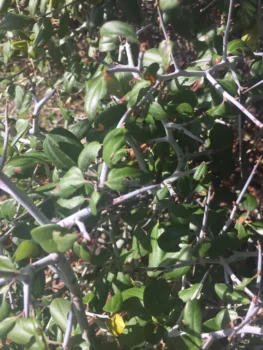
Coast Whitethorn: A California Native Worth Getting to Know
If you’re looking to add some authentic California character to your garden while supporting local wildlife, coast whitethorn might just be your new best friend. This charming native shrub has been quietly beautifying California’s coastal landscapes for centuries, and it’s ready to do the same for your backyard – if you can find it responsibly sourced, that is.
Meet the Coast Whitethorn
Coast whitethorn (Ceanothus incanus) is a perennial shrub that’s as tough as it is beautiful. This multi-stemmed woody plant typically stays under 13-16 feet tall, making it a perfect mid-sized addition to your landscape. Think of it as the Goldilocks of native shrubs – not too big, not too small, but just right for most garden situations.
Where Does Coast Whitethorn Call Home?
This California native is exclusive to the Golden State, where it thrives in coastal sage scrub and chaparral communities. You’ll find it naturally occurring along the coast, where it has adapted to the Mediterranean climate that makes California gardening so unique.
- Species observed
- No observations
A Word About Rarity
Here’s something important to know: coast whitethorn has a Global Conservation Status of S3?, which means its conservation status is somewhat uncertain. While this doesn’t mean you can’t grow it, it does mean you should be thoughtful about your plant sources. Always purchase from reputable native plant nurseries that propagate their own plants rather than collecting from wild populations.
Why You’ll Love Coast Whitethorn
Coast whitethorn brings several wonderful qualities to your garden:
- Clusters of small white to pale blue flowers that create a stunning spring display
- Dense, attractive branching that provides year-round structure
- Excellent drought tolerance once established
- Natural pest resistance
- Low maintenance requirements
A Pollinator Paradise
Your local bees and butterflies will thank you for planting coast whitethorn. The abundant flower clusters provide nectar and pollen when many pollinators need it most, making your garden a valuable pit stop in their daily travels. It’s like setting up a five-star restaurant for your neighborhood’s beneficial insects.
Perfect Garden Situations
Coast whitethorn shines in several garden styles:
- Mediterranean and drought-tolerant landscapes
- Native plant gardens
- Wildlife habitat gardens
- Slopes and areas needing erosion control
- Natural screening and privacy plantings
Growing Coast Whitethorn Successfully
The good news is that coast whitethorn is relatively easy to grow if you give it what it wants. Here’s how to keep it happy:
Climate: Hardy in USDA zones 8-10, this shrub loves California’s Mediterranean climate with mild, wet winters and dry summers.
Sun and Soil: Full sun is best, though it can tolerate some light shade. The key to success is well-draining soil – coast whitethorn absolutely despises wet feet. If your soil holds water, consider planting on a slope or amending with coarse sand and gravel.
Water Needs: Once established (usually after the first year), coast whitethorn is remarkably drought tolerant. During establishment, provide regular water, but once it’s settled in, it prefers the tough love approach of infrequent, deep watering.
Planting and Care Tips
Here’s how to set your coast whitethorn up for success:
- Plant in fall for best establishment before the dry season
- Space plants 6-8 feet apart to allow for mature spread
- Mulch around the base, but keep mulch away from the trunk
- Avoid overwatering – this is the quickest way to kill a Ceanothus
- Prune lightly after flowering to maintain shape
- Skip the fertilizer – coast whitethorn prefers lean soil
The Bottom Line
Coast whitethorn is a wonderful choice for California gardeners who want to create sustainable, wildlife-friendly landscapes. Its combination of beauty, toughness, and ecological value makes it a standout performer in the right conditions. Just remember to source your plants responsibly from reputable nurseries, and you’ll be rewarded with years of low-maintenance beauty that truly captures the essence of California’s natural landscapes.
While it may not be the flashiest plant in the nursery, coast whitethorn offers the kind of quiet, steady beauty that makes a garden feel rooted in its place. And in our increasingly uncertain climate, that kind of authentic, adapted beauty is more valuable than ever.