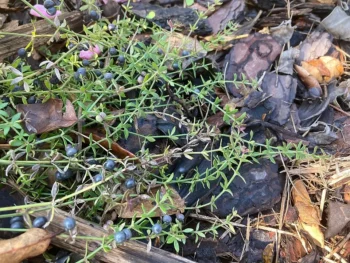
Coastal Bedstraw: A Delicate Native Gem for Your Garden
If you’re looking to add a touch of understated elegance to your native garden, coastal bedstraw might just be the perfect plant you’ve never heard of. This charming little perennial brings delicate beauty and ecological value to gardens throughout the southeastern United States, though it’s becoming increasingly rare in some areas.
What Is Coastal Bedstraw?
Coastal bedstraw (Galium hispidulum) is a native perennial forb that belongs to the coffee family. Don’t let its modest appearance fool you – this herbaceous plant plays an important role in its native ecosystems. As a perennial, it returns year after year, gradually spreading to form a lovely groundcover in the right conditions.
This native beauty is found naturally across twelve southeastern states: Alabama, Delaware, Florida, Georgia, Louisiana, Maryland, Mississippi, New Jersey, North Carolina, South Carolina, Texas, and Virginia. It thrives in the coastal plains and pine flatwoods that characterize much of the Southeast.
- Species observed
- No observations
Why Plant Coastal Bedstraw?
There are several compelling reasons to consider adding this native plant to your landscape:
- Native heritage: As a true southeastern native, it supports local ecosystems and wildlife
- Pollinator friendly: Its small white flowers attract various native bees and other beneficial insects
- Low maintenance: Once established, it requires minimal care and is quite drought tolerant
- Unique texture: The fine, whorled foliage adds delicate texture to garden compositions
- Naturalistic appeal: Perfect for creating that effortless, wild garden look
A Word of Caution: Rarity Status
Before you rush out to plant coastal bedstraw, there’s something important to know. This species is listed as endangered along the New Jersey coast, with a rarity status of S1 (critically imperiled). If you’re interested in growing this plant, please ensure you source it responsibly from reputable native plant nurseries rather than collecting from wild populations.
Growing Coastal Bedstraw Successfully
Coastal bedstraw is surprisingly adaptable once you understand its preferences. This hardy little plant thrives in USDA hardiness zones 8-10, making it suitable for most of the Southeast.
Ideal Growing Conditions
- Light: Partial shade to full sun
- Soil: Sandy, well-draining soils (tolerates poor soils well)
- Moisture: Drought tolerant once established
- pH: Adaptable to various soil pH levels
Planting and Care Tips
Getting coastal bedstraw established is relatively straightforward. Plant it in spring after the last frost, giving it space to spread naturally. The key to success is not overwatering – this plant prefers conditions on the drier side once its root system is established.
One of the best things about coastal bedstraw is its self-seeding nature. Once happy in your garden, it will gradually spread to form naturalistic colonies, perfect for filling in under trees or along garden edges.
Design Ideas and Garden Roles
Coastal bedstraw works beautifully in several garden settings:
- Native plant gardens: Combines well with other southeastern natives
- Coastal landscapes: Perfect for beach house gardens and salt-tolerant plantings
- Pine flatwood restoration: Helps recreate natural ecosystem plantings
- Naturalized areas: Excellent groundcover for low-maintenance spaces
- Pollinator gardens: Provides nectar for small native bees
Wildlife Benefits
While coastal bedstraw may not be a major food source for large wildlife (providing only 2-5% of large animals’ diets), it still contributes to the ecosystem. Its small flowers support various pollinators, and the plant provides some cover for small creatures navigating through the garden.
The Bottom Line
Coastal bedstraw is a wonderful choice for gardeners who appreciate subtle beauty and want to support native ecosystems. Its delicate white flowers and fine-textured foliage bring a naturalistic charm that’s hard to replicate with non-native plants. Just remember to source it responsibly, given its rare status in some areas.
If you’re creating a native garden in the Southeast, coastal bedstraw deserves a spot on your plant list. It’s low-maintenance, ecologically valuable, and adds that special touch that only native plants can bring to our landscapes.