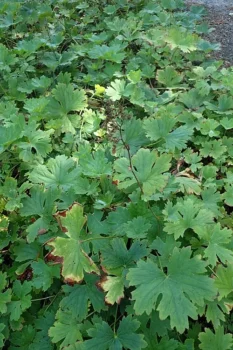
Coastal Brookfoam: A Delicate Native Gem for Your Shade Garden
If you’re searching for a charming native groundcover that thrives in those tricky shaded spots, let me introduce you to coastal brookfoam (Boykinia occidentalis). This delightful perennial might not be the showiest plant in your garden, but it brings a quiet elegance that’s hard to resist once you get to know it.
What Makes Coastal Brookfoam Special?
Coastal brookfoam is a true Pacific Northwest native, naturally found along the coast from British Columbia down through Washington, Oregon, and into Northern California. You might also encounter this plant listed under its former names, Boykinia elata or Boykinia vancouverensis, but don’t let the name changes fool you – it’s the same lovely plant.
What sets this perennial apart is its understated beauty. Picture heart-shaped leaves that form attractive clumps, topped with delicate clusters of small white flowers that seem to float above the foliage like tiny stars. It’s the kind of plant that makes you stop and take a closer look.
- Species observed
- No observations
Where Coastal Brookfoam Shines in Your Garden
This native beauty is perfect for gardeners dealing with those challenging shaded areas where many plants struggle. Coastal brookfoam naturally grows in moist, shaded environments, making it an excellent choice for:
- Woodland gardens where it can carpet the forest floor
- Shaded borders that need a gentle groundcover
- Native plant gardens focusing on Pacific Northwest species
- Areas near water features or naturally moist spots
Its low-growing habit makes it ideal for filling in gaps between larger plants or creating soft transitions in your landscape design.
Growing Conditions That Make Coastal Brookfoam Happy
The good news? Coastal brookfoam isn’t particularly fussy once you understand its basic needs. This plant is classified as facultative, meaning it can handle both wetland and non-wetland conditions, though it definitely prefers consistent moisture.
Here’s what your coastal brookfoam wants:
- Light: Partial to full shade – direct sun can stress this woodland native
- Soil: Moist, well-draining soil with good organic content
- Water: Consistent moisture is key; don’t let it dry out completely
- Climate: Hardy in USDA zones 7-9, perfect for the Pacific Coast
Planting and Care Tips
Getting coastal brookfoam established is relatively straightforward. Plant it in spring or fall when temperatures are cooler and rainfall is more reliable. Dig in some compost to improve soil structure and moisture retention – your plants will thank you for it.
Once established, coastal brookfoam is refreshingly low-maintenance. A layer of mulch around the plants helps retain moisture and suppress weeds. During dry spells, especially in summer, keep an eye on soil moisture and water as needed.
Benefits Beyond Beauty
While coastal brookfoam may look delicate, it pulls its weight in the ecosystem. The small white flowers attract various pollinators, including flies and small bees that appreciate the accessible nectar. As a native species, it supports local wildlife and fits naturally into regional food webs.
Should You Plant Coastal Brookfoam?
If you’re gardening in the Pacific Northwest and have shaded, moist areas that need some love, coastal brookfoam deserves serious consideration. It’s particularly valuable for gardeners committed to using native plants that support local ecosystems.
However, if you live outside its natural range or have very dry, sunny conditions, you might want to look for alternatives better suited to your specific climate and growing conditions.
Coastal brookfoam won’t be the star of your garden, but sometimes the supporting cast members are what make the whole production work. This gentle native brings quiet charm, ecological benefits, and the satisfaction of knowing you’re growing something that truly belongs in your Pacific Northwest landscape.