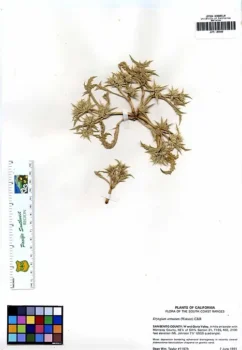
Coastal Eryngo: A Spiky California Native for Unique Gardens
Meet the coastal eryngo (Eryngium armatum), a fascinating California native that brings architectural drama to gardens with its distinctive spiny appearance. This perennial herb might look like it belongs in a medieval fortress, but it’s actually a member of the carrot family that has adapted beautifully to life along California’s coastlines.
What Makes Coastal Eryngo Special
Coastal eryngo is a true California original, found naturally only within the Golden State. As a perennial forb, this plant returns year after year, building a stronger presence in your garden over time. Its spiky, thistle-like appearance makes it an instant conversation starter, while its native status means it’s perfectly adapted to local conditions.
Where It Grows Wild
This unique plant calls California home, thriving in the state’s coastal regions where sandy soils meet ocean breezes. You’ll find it naturally occurring in wetland areas and coastal prairies, where it has evolved to handle both moist conditions and the challenges of seaside living.
- Species observed
- No observations
Garden Appeal and Design Uses
Standing 1-3 feet tall, coastal eryngo brings vertical interest and textural contrast to garden designs. Its architectural form works beautifully in:
- Native plant gardens
- Coastal landscape designs
- Water-wise gardens with seasonal moisture
- Wildlife habitat gardens
- Contemporary landscapes seeking bold textures
The plant produces small flowers arranged in dense, spiny heads that add to its dramatic appearance while providing valuable resources for pollinators like bees and beneficial insects.
Growing Conditions and Care
Coastal eryngo thrives in conditions that mirror its natural habitat:
- Soil: Sandy, well-draining soils that can retain some moisture
- Water: Prefers consistent moisture but can tolerate some drought once established
- Sun: Full sun to partial shade
- Climate: Best suited for USDA hardiness zones 9-10
As a facultative wetland plant, coastal eryngo appreciates more water than typical drought-tolerant natives, making it perfect for rain gardens or areas with supplemental irrigation.
Planting and Care Tips
Getting coastal eryngo established in your garden requires some planning:
- Plant in fall or early spring when temperatures are mild
- Ensure soil drains well to prevent root rot
- Provide regular water during the first growing season
- Once established, water deeply but less frequently
- Minimal fertilization needed – native soils are usually sufficient
Important Conservation Note
Before you rush to add coastal eryngo to your garden, there’s something important to know: this plant has a conservation status of S3S4, indicating it may be somewhat rare in its natural range. If you choose to grow coastal eryngo, make sure to source plants or seeds from reputable native plant nurseries that use ethically collected, locally appropriate genetic material. Never collect plants from the wild.
Wildlife and Pollinator Benefits
Like other members of the Eryngium family, coastal eryngo likely provides valuable nectar and pollen for native bees, beneficial insects, and other pollinators. Its unique flower structure and bloom timing can fill important gaps in your garden’s pollinator support system.
Is Coastal Eryngo Right for Your Garden?
Coastal eryngo is perfect for California gardeners who want to:
- Support local biodiversity with native plants
- Create dramatic textural contrasts in their landscape
- Establish a garden that works with natural rainfall patterns
- Provide habitat for native pollinators
However, this plant might not be the best choice if you’re looking for something ultra low-maintenance or if you garden outside of its natural climate range.
With its spiky charm and ecological benefits, coastal eryngo offers California gardeners a chance to grow something truly special while supporting native biodiversity – just remember to source it responsibly!