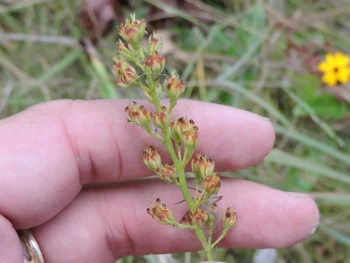
Coastal False Asphodel: A Rare Wetland Gem for Specialized Gardens
If you’re looking to add a touch of delicate elegance to your bog garden or wetland area, coastal false asphodel might just be the perfect native plant for you. But before you start planning where to plant it, there’s something important you need to know about this beautiful but rare wildflower.
What is Coastal False Asphodel?
Coastal false asphodel (Triantha racemosa) is a charming perennial wildflower native to the southeastern and eastern United States. Don’t let the false in its name fool you – there’s nothing fake about its beauty! This delicate herbaceous plant produces spikes of small, creamy-white flowers that seem to glow against its grass-like foliage.
As a member of the forb family, coastal false asphodel lacks woody stems and instead sends up fresh growth each year from its perennial root system. You might also see it listed under its former scientific name, Tofieldia racemosa, in older gardening references.
Where Does It Grow Naturally?
This native beauty calls the coastal regions of the southeastern United States home, naturally occurring in Alabama, Delaware, Florida, Georgia, Louisiana, Maryland, Mississippi, New Jersey, North Carolina, South Carolina, Tennessee, Texas, and Virginia. It’s particularly fond of the boggy, acidic wetlands found throughout these regions.
- Species observed
- No observations
Important Conservation Note
Here’s where things get serious: Coastal false asphodel is considered endangered in New Jersey and has a rarity ranking that should make any responsible gardener pause and think. If you’re considering adding this plant to your garden, it’s absolutely crucial that you source it responsibly from reputable native plant nurseries that propagate their own stock – never collect it from the wild!
Why Grow Coastal False Asphodel?
Despite its rarity challenges, there are compelling reasons why this plant deserves a spot in the right garden:
- Native pollinator support: Those delicate white flower spikes attract small native pollinators including flies and tiny bees
- Wetland restoration: Perfect for rain gardens, bog gardens, and wetland restoration projects
- Unique beauty: The spike-like clusters of small white flowers create an ethereal appearance in late spring and early summer
- Low maintenance: Once established in the right conditions, it pretty much takes care of itself
Growing Conditions and Care
Here’s where coastal false asphodel gets a bit picky – and honestly, that’s part of why it’s become so rare. This plant is what we call an obligate wetland species, meaning it almost always needs wet conditions to thrive.
Ideal Growing Conditions:
- Sunlight: Full sun to partial shade
- Soil: Consistently moist to wet, acidic soils
- Moisture: Boggy conditions – think constantly damp, never dry
- Hardiness: USDA zones 6-9
Is This Plant Right for Your Garden?
Let’s be honest – coastal false asphodel isn’t for every gardener or every garden. It’s best suited for:
- Specialized bog or rain gardens
- Wetland restoration projects
- Native plant enthusiasts with the right growing conditions
- Gardeners committed to conservation efforts
If you don’t have consistently wet, acidic conditions, this probably isn’t the plant for you. But if you do have a boggy spot that other plants struggle with, coastal false asphodel could be the perfect solution!
Planting and Care Tips
Successfully growing coastal false asphodel requires patience and the right setup:
- Ensure your soil stays consistently moist – dry spells can be fatal
- Test your soil pH; it should be on the acidic side
- Be patient during establishment; this plant can be slow to get going
- Once established, minimal intervention is needed
- Never fertilize – these plants are adapted to nutrient-poor conditions
The Bottom Line
Coastal false asphodel is a beautiful native plant that can add unique charm to the right garden setting. However, its endangered status means you should only consider it if you can source it responsibly and provide the specialized wetland conditions it needs to thrive. If you’re up for the challenge and have the right growing conditions, this rare beauty can be a wonderful addition to your native plant collection and a small contribution to conservation efforts.
Remember: always purchase from reputable nurseries that propagate their own plants, and never collect from wild populations. Your garden can be part of the solution in helping preserve this lovely native species for future generations!