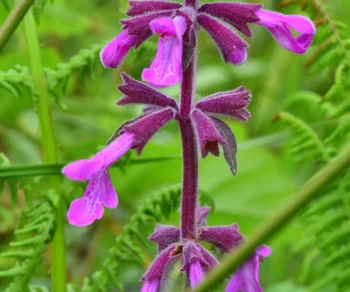
Coastal Hedgenettle: A Pacific Northwest Native Perfect for Wet Spots
If you’ve been scratching your head over what to plant in those persistently soggy areas of your garden, let me introduce you to a charming Pacific Northwest native that actually loves wet feet: coastal hedgenettle (Stachys chamissonis). This unassuming perennial might not win any flashy flower contests, but it’s exactly the kind of reliable, low-maintenance plant that makes gardening feel like less work and more joy.
What Makes Coastal Hedgenettle Special?
Coastal hedgenettle is a true Pacific Northwest original, native from Alaska all the way down to California, with happy populations throughout British Columbia, Oregon, and Washington. As a member of the mint family, it shares that classic square stem and aromatic foliage that makes these plants so distinctive.
This perennial forb (that’s garden-speak for a non-woody flowering plant) forms low, spreading mats that rarely get taller than a foot or so. The soft, fuzzy leaves have that tactile appeal that makes you want to reach out and touch them, while the small white to pale pink flowers appear in charming whorled spikes throughout the summer months.
- Species observed
- No observations
Where Coastal Hedgenettle Shines in Your Garden
Here’s where this plant really earns its keep: coastal hedgenettle is fantastic for all those challenging wet spots where other plants fear to tread. Its wetland status varies by region – from facultative wetland (usually but not always wet) in Alaska and the Western Mountains to obligate wetland (almost always wet) in the Arid West. Translation? This plant is your go-to solution for:
- Rain gardens and bioswales
- Pond and stream margins
- Coastal gardens that get salt spray
- Low-lying areas that stay consistently moist
- Native plant gardens focused on local species
The spreading habit makes coastal hedgenettle excellent for erosion control on slopes, and its mat-forming nature works beautifully as a groundcover in naturalistic plantings.
Growing Coastal Hedgenettle Successfully
The beauty of coastal hedgenettle lies in its simplicity. This is not a fussy plant that demands constant attention. Here’s what it needs to thrive:
Light: Full sun to partial shade – it’s quite adaptable, though it tends to be more compact in sunnier spots.
Soil: Consistently moist to wet soil is ideal. It can handle occasional flooding and doesn’t mind heavy clay soils that would make other plants sulk.
Hardiness: Hardy in USDA zones 4-8, making it suitable for most temperate climates.
Water: Once established, nature usually provides all the water this plant needs if you’ve sited it correctly in a naturally moist location.
Planting and Care Tips
Getting coastal hedgenettle established is refreshingly straightforward. Plant it in spring or early fall when temperatures are moderate. Space plants about 12-18 inches apart if you want coverage relatively quickly – remember, this plant spreads via underground rhizomes, so it will fill in given time.
The spreading habit is generally well-behaved, but keep an eye on it in smaller gardens where you might want to contain its enthusiasm. A simple edging or occasional division will keep it in bounds.
Maintenance is minimal – perhaps the most appealing trait of all. You might want to cut back the flower stalks after blooming if you prefer a tidier look, but many gardeners leave them for winter interest and wildlife benefits.
Wildlife and Pollinator Benefits
Like many native plants, coastal hedgenettle pulls double duty as both garden beauty and wildlife habitat. The flowers attract a variety of pollinators, including native bees and butterflies who appreciate the accessible nectar source. The dense mat of foliage also provides shelter for small wildlife and beneficial insects.
Is Coastal Hedgenettle Right for Your Garden?
Coastal hedgenettle is an excellent choice if you’re looking for a low-maintenance native plant that can handle challenging wet conditions. It’s particularly valuable for gardeners interested in creating habitat, managing stormwater naturally, or simply finding something that will thrive in those spots where other plants struggle.
However, it might not be the best fit if you’re looking for showy flowers or formal garden structure. This is a plant that shines in naturalistic settings where its quiet charm and ecological benefits take center stage over dramatic visual impact.
For Pacific Northwest gardeners committed to native plants and sustainable gardening practices, coastal hedgenettle deserves serious consideration. It’s one of those unsung heroes that quietly does its job, supports local wildlife, and asks for very little in return – exactly the kind of plant partnership that makes gardening both easier and more meaningful.