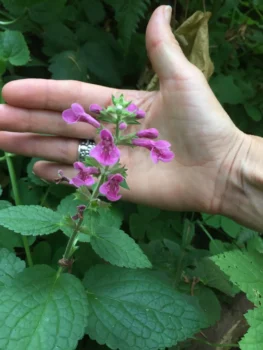
Coastal Hedgenettle: A Pacific Coast Native Worth Growing
If you’re looking for a charming native perennial that brings both beauty and ecological value to your Pacific Coast garden, meet coastal hedgenettle (Stachys chamissonis var. cooleyae). This delightful member of the mint family might not be the showiest plant in your garden, but it more than makes up for it with its reliable nature and pollinator appeal.
What Is Coastal Hedgenettle?
Coastal hedgenettle is a true Pacific Northwest native, naturally occurring from Alaska down to California, with populations also found in British Columbia. As a perennial forb, it’s an herbaceous plant that dies back to the ground each winter and returns reliably each spring. Don’t let the hedgenettle name fool you – while it’s related to stinging nettle, this plant won’t leave you with an itchy surprise!
This native beauty grows naturally across Alaska, British Columbia, California, Oregon, and Washington, making it perfectly adapted to the unique conditions of the Pacific Coast region.
- Species observed
- No observations
Why You’ll Love Growing Coastal Hedgenettle
There are several compelling reasons to add this native gem to your garden:
- Pollinator magnet: The small purple-pink flowers arranged in attractive whorled spikes are irresistible to bees, butterflies, and other beneficial insects
- Low maintenance: Once established, this perennial requires minimal care and is quite drought tolerant
- Native authenticity: Supporting local ecosystems by growing plants that naturally belong in your area
- Coastal tough: Naturally adapted to coastal conditions, including salt spray and sandy soils
- Textural interest: The fuzzy, heart-shaped leaves add a soft texture to garden beds
Garden Design Ideas
Coastal hedgenettle works beautifully in several garden settings:
- Native plant gardens: Combine with other Pacific Coast natives like Oregon grape, salmonberry, and western columbine
- Coastal landscapes: Perfect for seaside gardens where it can handle salt spray and sandy conditions
- Woodland gardens: Thrives in partially shaded areas under trees and larger shrubs
- Naturalized areas: Excellent for creating low-maintenance, eco-friendly ground cover
- Pollinator gardens: Essential component of any garden designed to support local wildlife
Growing Conditions and Care
The beauty of growing native plants like coastal hedgenettle is that they’re already perfectly suited to your local climate. Here’s what this Pacific Coast native prefers:
Ideal Growing Conditions
- Light: Partial shade to full sun (morning sun with afternoon shade is ideal)
- Soil: Moist, well-draining soil; tolerates various soil types including sandy coastal soils
- Water: Regular moisture during establishment, then quite drought tolerant
- Climate: Thrives in USDA hardiness zones 6-9
Planting and Care Tips
Getting coastal hedgenettle established in your garden is refreshingly straightforward:
- Planting time: Best planted in fall or early spring when temperatures are cool and rainfall is more reliable
- Spacing: Allow adequate space for the plant to spread naturally
- Watering: Water regularly during the first growing season, then reduce frequency as the plant establishes
- Maintenance: Minimal pruning needed; simply cut back spent flower spikes to encourage additional blooms
- Winter care: As a perennial, it will die back naturally in winter and return in spring
Supporting Your Local Ecosystem
By choosing coastal hedgenettle for your garden, you’re making a choice that benefits the broader ecosystem. This native plant provides nectar for pollinators during its blooming season and supports the complex web of relationships between plants, insects, and other wildlife that have evolved together over thousands of years.
Whether you’re creating a dedicated native plant garden or simply want to add some locally-adapted beauty to your landscape, coastal hedgenettle offers the perfect combination of ecological value, low maintenance, and quiet charm. It’s proof that sometimes the most rewarding garden choices are the ones that work with nature rather than against it.