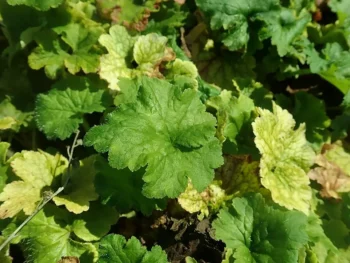
Coastal Miterwort: A Delicate Native Gem for Your Shade Garden
If you’re looking for a charming native groundcover that thrives in those tricky shady spots, let me introduce you to coastal miterwort (Mitella ovalis). This delightful little perennial might not be the showiest plant in your garden, but it’s definitely one of the most endearing – and your local ecosystem will thank you for planting it!
What Is Coastal Miterwort?
Coastal miterwort is a native North American perennial that belongs to the saxifrage family. Don’t let the coastal in its name fool you – while it does love the Pacific Coast, this adaptable plant can thrive in various woodland settings. You might also see it listed under its synonym Pectiantia ovalis, but most gardeners know it simply as coastal miterwort.
This charming forb (that’s gardener-speak for a non-woody flowering plant) stays relatively compact and produces the most delicate, almost ethereal white flowers that seem to dance on thin stems above heart-shaped leaves.
Where Does Coastal Miterwort Call Home?
Coastal miterwort is proudly native to both Canada and the United States, specifically thriving along the Pacific Coast. You’ll find this beauty growing wild in British Columbia, California, Oregon, and Washington. It’s perfectly adapted to the cool, moist conditions of Pacific Northwest forests, making it an excellent choice for gardeners in these regions who want to support local wildlife and preserve native plant heritage.
- Species observed
- No observations
Why Your Garden (and Local Wildlife) Will Love It
Here’s where coastal miterwort really shines – it’s not just pretty, it’s practical! This native plant offers several compelling reasons to earn a spot in your landscape:
- Perfect for problem spots: Those shady, consistently moist areas where many plants struggle? Coastal miterwort thinks they’re perfect!
- Low maintenance: Once established, this perennial requires minimal care
- Native pollinator support: The small white flowers attract beneficial insects, particularly small flies and gnats that are important pollinators
- Excellent groundcover: Forms attractive colonies that help suppress weeds naturally
- Seasonal interest: Lovely flowers in spring and attractive foliage throughout the growing season
Growing Conditions and Care
Coastal miterwort is wonderfully accommodating if you can meet its basic needs. Think of it as the plant equivalent of that friend who’s easy to please but has a few non-negotiable preferences:
Light Requirements
This shade-lover prefers partial to full shade. Direct sunlight can stress the plant, especially in warmer climates, so tuck it under trees or on the north side of structures.
Water and Soil Needs
Here’s the key to success: consistent moisture! Coastal miterwort is classified as an obligate wetland plant in arid regions and facultative wetland in mountainous areas, which means it really, really likes its feet wet. Well-draining but moisture-retentive soil works best – think woodland conditions with rich, organic matter.
Climate Compatibility
Hardy in USDA zones 6-9, coastal miterwort thrives in cooler temperatures and appreciates the mild, moist conditions typical of its native Pacific Northwest habitat.
Perfect Garden Companions
Coastal miterwort plays well with other shade-loving natives and moisture-loving plants. Consider pairing it with:
- Western bleeding heart
- Wild ginger
- Ferns (sword fern, lady fern)
- Trilliums
- Native sedges
Planting and Care Tips
Getting started with coastal miterwort is refreshingly straightforward:
- Best planting time: Spring, after the last frost
- Spacing: Plant 12-18 inches apart for groundcover effect
- Soil prep: Amend heavy clay with compost to improve drainage while retaining moisture
- Watering: Keep soil consistently moist but not waterlogged
- Mulching: Apply a 2-3 inch layer of organic mulch to retain moisture and suppress weeds
- Fertilizing: Generally unnecessary – rich, organic soil provides all the nutrition needed
Garden Design Ideas
Coastal miterwort is incredibly versatile in landscape design. It works beautifully as:
- Groundcover in woodland gardens
- Filler plant in rain gardens
- Understory planting beneath native trees
- Border plant along shaded pathways
- Natural addition to native plant gardens
The Bottom Line
Coastal miterwort might not be the flashiest plant at the garden center, but it’s exactly the kind of reliable, eco-friendly native that every Pacific Coast garden needs. It solves problems (goodbye, bare shady spots!), supports local wildlife, and asks for very little in return except consistent moisture and a bit of shade.
If you’re gardening anywhere within its native range and have those challenging moist, shady areas, coastal miterwort deserves serious consideration. Your garden – and your local ecosystem – will be better for it!