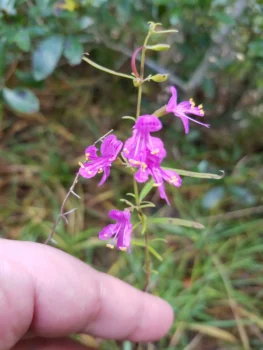
Coastal Plain Balm: A Rare Native Gem Worth Protecting
If you’re passionate about native plants and conservation, you may have heard whispers about coastal plain balm (Dicerandra linearifolia). This little-known member of the mint family is one of those special plants that makes you feel like you’re part of an exclusive club when you encounter it in the wild.
What Makes Coastal Plain Balm Special?
Coastal plain balm is an annual forb – that’s botanist speak for a soft-stemmed plant that completes its entire life cycle in one growing season. Unlike its woody cousins, this herbaceous beauty puts all its energy into flowering and seed production before winter arrives.
As a native plant to the lower 48 states, coastal plain balm has been quietly doing its thing in the southeastern United States long before any of us started thinking about native gardening. You’ll find this plant naturally occurring in Alabama, Florida, and Georgia, where it’s perfectly adapted to the coastal plain ecosystem.
- Species observed
- No observations
A Word of Caution: This Plant is Rare
Here’s where things get serious. Coastal plain balm has a rarity status of S2 in Alabama, which means it’s imperiled and at high risk of extinction in the state. This isn’t just another pretty wildflower – it’s a plant that needs our help to survive.
If you’re considering adding coastal plain balm to your garden, please only source seeds or plants from reputable native plant suppliers who can guarantee their material was ethically collected and propagated. Never collect from wild populations.
Garden Appeal and Growing Conditions
Despite its rarity, coastal plain balm can be a delightful addition to the right garden setting. As a member of the mint family, it produces small, aromatic flowers that typically appear in white to pale pink. The plant’s fragrant foliage adds another sensory dimension to your garden experience.
This coastal plain native thrives in:
- Sandy, well-draining soils
- Full sun to partial shade conditions
- USDA hardiness zones 8-9
- Low-maintenance garden settings
Perfect Garden Settings
Coastal plain balm shines brightest in native wildflower gardens and naturalized areas that mimic its coastal plain habitat. It’s not the plant for formal flower beds or high-maintenance landscapes, but it’s perfect for gardeners who want to create authentic southeastern ecosystems in their yards.
Consider incorporating it into:
- Native plant demonstration gardens
- Coastal plain restoration projects
- Educational landscapes focused on rare plants
- Low-water, sustainable garden designs
Supporting Pollinators
Like many native plants, coastal plain balm provides important resources for local wildlife. Its flowers attract small native bees and other pollinators who have co-evolved with southeastern native plants. By growing this plant, you’re supporting the intricate web of relationships that keep our local ecosystems healthy.
Care and Maintenance
One of coastal plain balm’s best qualities is its low-maintenance nature. Once established, this drought-tolerant annual typically needs minimal care. Since it’s an annual, you’ll need to allow it to set seed for next year’s plants, or collect seeds for replanting.
The key to success is mimicking its natural habitat: provide sandy, well-draining soil and don’t overwater. This plant has adapted to coastal plain conditions, which means it can handle some dry spells once established.
The Bottom Line
Coastal plain balm represents both an opportunity and a responsibility. If you can source it ethically and provide the right growing conditions, you’ll be helping conserve a rare native species while enjoying a unique addition to your garden. Just remember: with great plants comes great responsibility. Always choose conservation over collection, and let’s work together to ensure this coastal plain treasure survives for future generations to appreciate.