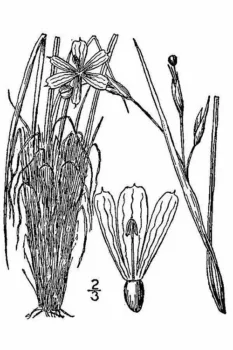
Coastal Plain Blue-Eyed Grass: A Delicate Native Gem for Your Garden
Meet one of nature’s most charming little wildflowers: coastal plain blue-eyed grass (Sisyrinchium fuscatum). Despite its common name, this delightful plant isn’t actually a grass at all – it’s a member of the iris family that just happens to sport grass-like leaves. With its tiny blue flowers and unassuming presence, this native perennial might just be the perfect addition to your naturalistic garden.
What Makes This Plant Special
Coastal plain blue-eyed grass is a true North American native, naturally occurring from Nova Scotia down to Florida and west to Louisiana. You’ll find it growing wild in states including Alabama, Connecticut, Florida, Georgia, Louisiana, Maryland, Massachusetts, Mississippi, New Jersey, New York, North Carolina, Pennsylvania, Rhode Island, South Carolina, and Virginia.
- Species observed
- No observations
This perennial forb (that’s botanical speak for a non-woody herbaceous plant) forms small clumps of narrow, grass-like foliage topped with delicate six-petaled flowers. The blooms are typically a lovely shade of blue with bright yellow centers, creating tiny starbursts of color that seem to wink at you from the garden.
A Conservation Success Story in Your Garden
Important note for New Jersey gardeners: This species has a rarity status of S1? in New Jersey, meaning it’s extremely rare in the state. If you’re considering adding it to your garden, please ensure you source plants or seeds from reputable native plant nurseries that use responsibly collected material – never harvest from wild populations.
Why Gardeners Love Coastal Plain Blue-Eyed Grass
There are several compelling reasons to consider this native beauty for your landscape:
- Pollinator magnet: The small flowers attract bees, flies, and other beneficial insects
- Low maintenance: Once established, it’s quite drought tolerant
- Natural look: Perfect for meadow gardens and naturalized areas
- Native credentials: Supports local ecosystems and wildlife
- Compact size: Won’t overwhelm smaller garden spaces
Growing Conditions and Care
Coastal plain blue-eyed grass is surprisingly adaptable, thriving in USDA hardiness zones 4-9. Here’s what this little charmer prefers:
- Sunlight: Full sun to partial shade
- Soil: Sandy, well-drained soils (it particularly loves sandy coastal conditions)
- Moisture: While it can handle some moisture variation, it generally prefers drier conditions
- pH: Adaptable to various soil pH levels
Wetland Preferences by Region
Interestingly, this plant’s relationship with moisture varies by geographic region. In the Atlantic and Gulf Coastal Plain, it’s considered an obligate upland species, almost never found in wetlands. However, in the Eastern Mountains and Piedmont, Midwest, and Northcentral & Northeast regions, it’s classified as facultative upland, meaning it usually grows in non-wetland areas but can occasionally tolerate wetter conditions.
Planting and Care Tips
Getting started with coastal plain blue-eyed grass is refreshingly straightforward:
- Planting: Spring or fall are ideal planting times
- Spacing: Allow 6-12 inches between plants
- Watering: Water regularly until established, then reduce frequency
- Maintenance: Minimal care needed once established
- Self-seeding: May self-seed in favorable conditions, creating natural colonies
Perfect Garden Companions
This plant shines in naturalistic settings alongside other native species. Consider pairing it with native sedges, wild bergamot, or native asters for a truly authentic meadow feel. It’s also wonderful in rain gardens (depending on your region’s wetland classification) and coastal gardens where its sandy soil preferences make it a natural fit.
The Bottom Line
Coastal plain blue-eyed grass offers gardeners a chance to grow a truly special native plant that supports local ecosystems while adding subtle beauty to the landscape. Its low-maintenance nature and pollinator benefits make it an excellent choice for eco-conscious gardeners. Just remember to source your plants responsibly, especially if you’re in areas where it’s considered rare, and you’ll be contributing to conservation efforts while enjoying this delicate native treasure in your own backyard.