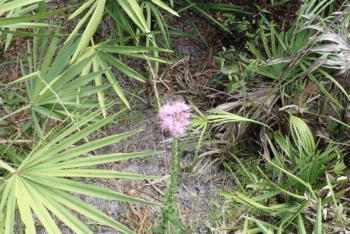
Coastal Plain Chaffhead: A Hidden Gem for Southeastern Gardens
If you’re looking for a native wildflower that brings late-season color and supports pollinators when many other plants are winding down, meet the coastal plain chaffhead (Carphephorus corymbosus). This unassuming southeastern native might not have the flashiest name, but it’s a true workhorse in the garden that deserves more recognition.
What is Coastal Plain Chaffhead?
Coastal plain chaffhead is a perennial forb native to the southeastern United States. As an herbaceous plant, it dies back to the ground each winter and returns with fresh growth in spring. This hardy wildflower belongs to the aster family and produces clusters of small, tubular flowers that create a stunning display when they bloom.
Where Does It Grow Naturally?
This southeastern native has a relatively limited natural range, growing wild in Florida, Georgia, and South Carolina. It’s specifically adapted to the coastal plain region, where it thrives in the sandy soils and warm climate typical of this area.
- Species observed
- No observations
Why Plant Coastal Plain Chaffhead?
There are several compelling reasons to consider adding this native beauty to your garden:
- Late-season blooms: The purple to pink flower clusters appear in fall when many other wildflowers are finished, providing crucial late-season nectar for pollinators
- Pollinator magnet: Butterflies, native bees, and other beneficial insects flock to its flowers
- Low maintenance: Once established, it’s quite drought tolerant and requires minimal care
- Native plant benefits: Supporting local ecosystems and wildlife that co-evolved with this species
- Unique texture: Adds interesting form and texture to wildflower gardens and natural landscapes
Growing Conditions and Care
Coastal plain chaffhead is relatively easy to grow if you can provide the right conditions:
- Sunlight: Thrives in full sun locations
- Soil: Prefers well-drained, sandy soils typical of its coastal plain habitat
- Water: Drought tolerant once established, though regular watering helps during the first growing season
- Climate: Hardy in USDA zones 8-10, perfect for the warm southeastern climate
Best Garden Settings
This native wildflower shines in several garden settings:
- Wildflower meadows and naturalized areas
- Pollinator and butterfly gardens
- Coastal and seaside landscapes
- Native plant gardens focused on southeastern species
- Low-maintenance landscapes where you want late-season color
Planting and Care Tips
Getting coastal plain chaffhead established in your garden is straightforward:
- Plant in spring after the last frost date
- Choose a sunny location with good drainage
- Space plants appropriately to allow for natural spreading
- Water regularly the first year to help establish strong roots
- Once established, minimal care is needed beyond occasional weeding
- Allow plants to go to seed to encourage natural reseeding
Special Considerations
As a facultative upland plant, coastal plain chaffhead typically grows in non-wetland areas but can occasionally tolerate somewhat moist conditions. This flexibility makes it adaptable to various garden situations, though it performs best in well-drained locations.
The Bottom Line
Coastal plain chaffhead may not be the showiest wildflower, but it’s exactly the kind of reliable, beneficial native plant that forms the backbone of a successful wildlife garden. Its late-season blooms provide crucial support for pollinators preparing for winter, while its low-maintenance nature makes it perfect for gardeners who want maximum impact with minimal effort. If you’re gardening in the southeastern coastal plain and want to support local wildlife while enjoying beautiful fall flowers, this native gem deserves a spot in your landscape.