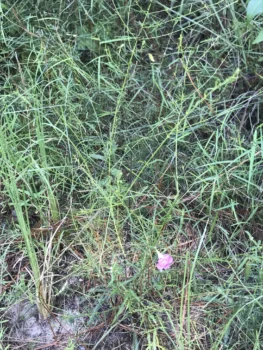
Coastal Plain False Foxglove: A Delicate Native Beauty for Your Garden
If you’re looking to add a touch of wild elegance to your native garden, meet the coastal plain false foxglove (Agalinis harperi). This charming annual might not be the showiest plant in your garden, but it’s got personality in spades and plays a crucial role in supporting local wildlife.
What Makes This Plant Special?
The coastal plain false foxglove is a true native of the southeastern United States, naturally occurring across Florida, Georgia, Louisiana, Mississippi, and South Carolina. As a member of the snapdragon family, this delicate forb produces small, tubular pink to purple flowers that dance in the breeze on slender stems. Don’t let its modest appearance fool you – this little beauty is a pollinator magnet!
- Species observed
- No observations
Garden Appeal and Design Role
This annual herb brings a soft, naturalistic texture to your landscape with its fine foliage and delicate blooms that appear from late summer into fall. At roughly 1-3 feet tall, it’s perfect for:
- Wildflower meadows and prairies
- Native plant gardens
- Naturalized landscape areas
- Pollinator gardens
- Coastal plain restoration projects
Its airy growth habit makes it an excellent companion plant that won’t compete with showier natives for attention, instead providing a lovely backdrop that ties different elements of your garden together.
Growing Conditions and Care
Here’s where things get interesting – coastal plain false foxglove is what botanists call facultative, meaning it’s equally happy in wet or dry conditions. This adaptability makes it a fantastic choice for gardeners dealing with variable moisture levels.
Preferred conditions:
- Full sun to partial shade
- Sandy or well-draining soils
- USDA zones 8-10
- Tolerates both wetland and upland conditions
Planting and Propagation Tips
Since this is an annual, you’ll want to plan for reseeding each year. The best approach is direct sowing seeds in fall, allowing them to experience natural cold stratification over winter. Here’s a quirky fact: coastal plain false foxglove is hemiparasitic, meaning it can partially parasitize the roots of nearby grasses and other plants for nutrients. Don’t worry – this won’t harm your other plants significantly, and it’s completely natural behavior!
Once established, this low-maintenance native requires minimal care. Simply let it complete its natural lifecycle, and it will likely self-seed for future years if conditions are right.
Wildlife and Pollinator Benefits
The tubular flowers are perfectly shaped for bees, butterflies, and other pollinators. The late-season blooms are particularly valuable when many other nectar sources are waning. Birds may also appreciate the seeds, though the plant’s primary wildlife value lies in its pollinator support.
Is This Plant Right for Your Garden?
Coastal plain false foxglove is ideal for gardeners who:
- Want to support native ecosystems
- Appreciate subtle, natural beauty over flashy displays
- Are creating pollinator habitat
- Live within its native range (southeastern coastal plain)
- Prefer low-maintenance plants
Keep in mind that as an annual, it won’t provide permanent structure to your garden, but it will add seasonal interest and ecological value. If you’re outside its native range, consider exploring similar native false foxgloves that might be better suited to your local ecosystem.
The Bottom Line
Coastal plain false foxglove may be small in stature, but it’s mighty in ecological impact. This native annual offers gardeners a chance to support local wildlife while enjoying delicate late-season blooms. It’s proof that sometimes the most unassuming plants make the biggest difference in creating truly sustainable, wildlife-friendly landscapes.