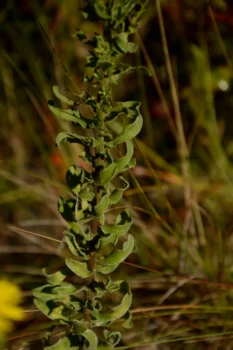
Coastal Plain Goldenaster: A Charming Native Annual for Southern Gardens
If you’re looking to add a splash of sunny yellow to your garden while supporting local wildlife, coastal plain goldenaster might just be the perfect plant for you. This delightful native wildflower brings both beauty and ecological benefits to gardens across the Southeast, proving that sometimes the most unassuming plants pack the biggest punch.
Meet the Coastal Plain Goldenaster
Coastal plain goldenaster (Chrysopsis scabrella) is a charming annual forb that’s been brightening up the American Southeast for ages. You might also see it listed under its synonym, Heterotheca scabrella, but don’t let the name confusion fool you – it’s the same lovely plant either way.
As an annual, this little beauty completes its entire life cycle in just one growing season, but what it lacks in longevity, it makes up for in charm and ecological value.
Where You’ll Find It Growing Wild
This native gem calls the coastal plain regions of Alabama, Florida, Mississippi, North Carolina, and South Carolina home. It’s perfectly adapted to the unique conditions of these southeastern states, making it an excellent choice for gardeners in these regions who want to work with nature rather than against it.
- Species observed
- No observations
Why Your Garden (and Local Wildlife) Will Love It
Coastal plain goldenaster may be small in stature, but it’s big on benefits:
- Pollinator magnet: Those cheerful yellow, daisy-like flowers are absolute bee and butterfly magnets, providing crucial nectar sources throughout the growing season
- Low maintenance: Once established, this drought-tolerant native requires minimal care – perfect for busy gardeners or those embracing a more natural approach
- Self-seeding: As an annual, it produces seeds that can naturalize in suitable conditions, creating delightful surprises in future seasons
- Authentic native beauty: There’s something deeply satisfying about growing plants that truly belong in your local ecosystem
Perfect Spots in Your Garden
Coastal plain goldenaster shines brightest in:
- Native plant gardens and prairie restorations
- Naturalized wildflower meadows
- Coastal gardens where its natural adaptations really shine
- Pollinator gardens designed to support local wildlife
- Areas where you want low-maintenance ground cover with seasonal interest
Growing Conditions That Make It Happy
This adaptable native thrives in USDA hardiness zones 8-10, making it perfect for most of the Southeast. Here’s what coastal plain goldenaster loves most:
- Sunlight: Full sun exposure brings out the best blooms
- Soil: Sandy, well-draining soils (think coastal plain conditions!)
- Water: Drought tolerant once established, but appreciates occasional watering during dry spells
- Space: Give it room to spread as a ground cover or mix with other natives
Planting and Care Tips
Growing coastal plain goldenaster is refreshingly straightforward:
- Timing: Sow seeds in spring after the last frost, or let existing plants self-seed naturally
- Soil prep: Minimal preparation needed – this plant actually prefers lean, sandy soils over rich garden beds
- Watering: Water gently until established, then step back and let nature take its course
- Maintenance: Deadhead spent flowers if you want to prevent self-seeding, or leave them for the birds and natural reproduction
The Bottom Line
Coastal plain goldenaster represents everything wonderful about native gardening – it’s beautiful, beneficial, and blissfully low-maintenance. While it may only grace your garden for one season, its impact on local pollinators and the authentic charm it brings to naturalized spaces makes it absolutely worth growing.
For gardeners in the Southeast looking to create more sustainable, wildlife-friendly landscapes, coastal plain goldenaster deserves serious consideration. It’s proof that sometimes the most valuable garden additions are the ones that have been quietly thriving in your region all along.