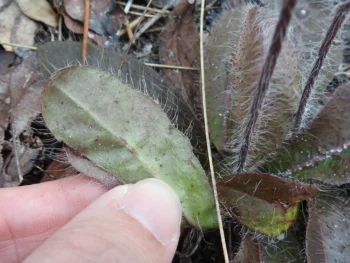
Coastal Plain Hawkweed: A Southeastern Native Worth Knowing
If you’re passionate about native gardening in the Southeast, you might have stumbled across the intriguingly named coastal plain hawkweed (Hieracium megacephalon). This lesser-known native perennial is one of those plants that doesn’t get much fanfare but quietly plays its part in the region’s natural ecosystems.
What Is Coastal Plain Hawkweed?
Coastal plain hawkweed is a perennial forb—basically a non-woody flowering plant that comes back year after year. As a member of the Hieracium genus, it’s related to other hawkweeds, though this particular species has carved out its own niche in the southeastern United States. You might also see it listed under its synonym, Hieracium argyraeum Small, in older botanical references.
Where Does It Call Home?
This native beauty has a pretty specific address: you’ll find coastal plain hawkweed naturally occurring in Florida and Georgia. Its limited range makes it a true regional specialty, perfectly adapted to the unique conditions of the southeastern coastal plain.
- Species observed
- No observations
Why Consider This Native Plant?
Here’s where things get both exciting and a bit challenging. As a native species, coastal plain hawkweed automatically gets points for:
- Supporting local ecosystems and wildlife that evolved alongside it
- Requiring fewer resources once established, since it’s naturally suited to regional conditions
- Adding authentic local character to native plant gardens
- Potentially providing nectar for native pollinators, as many hawkweeds do
The Growing Challenge
Now for the honest truth: specific cultivation information for coastal plain hawkweed is surprisingly scarce. This isn’t necessarily because it’s difficult to grow, but rather because it hasn’t entered mainstream horticulture the way some other native plants have.
Based on its natural range, coastal plain hawkweed likely thrives in USDA hardiness zones 8-10, where winters are mild and growing seasons are long. As a coastal plain native, it probably appreciates well-draining soils and can handle the humidity and heat that characterize southeastern summers.
Is This Plant Right for Your Garden?
Coastal plain hawkweed might be perfect for you if:
- You’re creating a native plant garden in Florida or Georgia
- You enjoy growing unusual or lesser-known species
- You want to support plants that are truly local to your region
- You’re interested in contributing to the preservation of regional flora
However, you might want to look elsewhere if you’re seeking a plant with well-documented growing requirements and readily available cultivation advice.
Finding and Growing Coastal Plain Hawkweed
The biggest challenge with coastal plain hawkweed isn’t growing it—it’s finding it! Since it’s not commonly cultivated, you’ll likely need to:
- Contact native plant societies in Florida or Georgia
- Reach out to specialty native plant nurseries in the Southeast
- Connect with botanical gardens or research institutions in the region
If you do manage to source seeds or plants, treat them as you would other southeastern natives: provide good drainage, respect their natural growing season, and be patient as they establish.
The Bottom Line
Coastal plain hawkweed represents something special in the native plant world—a true regional endemic that connects your garden directly to the natural heritage of the southeastern coastal plain. While it may not be the easiest plant to find or grow, it offers the satisfaction of nurturing something genuinely unique to your area.
For most gardeners, more readily available southeastern natives like wild bergamot, coral honeysuckle, or purple coneflower might be better starting points. But if you’re up for a treasure hunt and want to grow something truly special, coastal plain hawkweed could be your next great native gardening adventure.