Coastal Plain Honeycombhead: A Hidden Gem for Southern Gardens
If you’re looking for a charming native wildflower that brings late-season color to your garden while supporting local pollinators, let me introduce you to coastal plain honeycombhead (Balduina angustifolia). This delightful biennial might not be on every gardener’s radar, but it deserves a spot in southern landscapes for its unique beauty and ecological value.
What Makes Coastal Plain Honeycombhead Special?
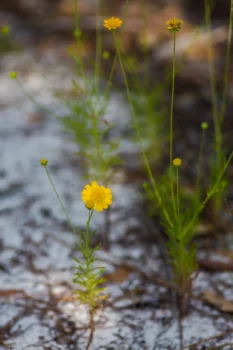
Coastal plain honeycombhead gets its common name from its distinctive flower heads that feature bright yellow petals surrounding a fascinating honeycomb-patterned center. These cheerful daisy-like blooms appear from late summer into fall, providing much-needed color when many other flowers are fading. As a biennial, this plant spends its first year developing a strong root system and foliage, then puts on its spectacular flower show in the second year.
You might also see this plant listed under its botanical synonym, Actinospermum angustifolium, in older gardening references.
Where Does It Naturally Grow?
This native beauty calls the coastal plains of the southeastern United States home, naturally occurring in Alabama, Florida, Georgia, and Mississippi. As a true native species to the lower 48 states, it’s perfectly adapted to the growing conditions of this region.
- Species observed
- No observations
Why Plant Coastal Plain Honeycombhead?
There are several compelling reasons to consider adding this native wildflower to your landscape:
- Pollinator magnet: The flowers attract butterflies, native bees, and other beneficial pollinators during the crucial late-season blooming period
- Low maintenance: Once established, it’s quite drought tolerant and requires minimal care
- Native plant benefits: Supports local ecosystems and wildlife as part of the natural food web
- Self-seeding: Will naturalize in suitable conditions, creating drifts of flowers over time
- Unique appearance: The honeycomb-patterned flower centers add interesting texture to wildflower plantings
Perfect Garden Settings
Coastal plain honeycombhead shines in several garden styles:
- Native plant gardens: A natural choice for authentic regional plantings
- Coastal landscapes: Thrives in sandy, well-draining soils typical of coastal areas
- Wildflower meadows: Adds late-season interest to naturalized areas
- Pollinator gardens: Provides crucial nectar when other flowers are scarce
Growing Conditions and Care
This adaptable native prefers conditions similar to its natural habitat:
- Sunlight: Full sun for best flowering
- Soil: Sandy, well-draining soils (tolerates poor soils)
- Water: Drought tolerant once established; avoid overwatering
- Hardiness zones: Best suited for USDA zones 8-10
Planting and Care Tips
Growing coastal plain honeycombhead is refreshingly straightforward:
- Seeding: Direct sow seeds in fall for best results
- Spacing: Allow adequate space as plants will self-seed and spread naturally
- Maintenance: Minimal care needed; let plants go to seed if you want natural reseeding
- Patience: Remember this is a biennial – you’ll see flowers in the second year
Is This Plant Right for Your Garden?
Coastal plain honeycombhead is an excellent choice if you garden in zones 8-10 and want to support native wildlife while adding unique late-season color. It’s particularly valuable for gardeners interested in creating authentic regional landscapes or supporting pollinator populations.
However, this plant may not be the best choice if you prefer highly controlled, formal gardens, as it tends to self-seed and naturalize. Additionally, gardeners outside its native range and hardiness zones should consider other native alternatives better suited to their local conditions.
For those lucky enough to garden within its native range, coastal plain honeycombhead offers a wonderful opportunity to grow a truly local native plant that’s both beautiful and ecologically beneficial. Its distinctive honeycomb centers and cheerful late-season blooms make it a conversation starter that also happens to be a pollinator favorite!