Coastal Plain Mountainmint: A Southeastern Native That’s Perfect for Wet Spots
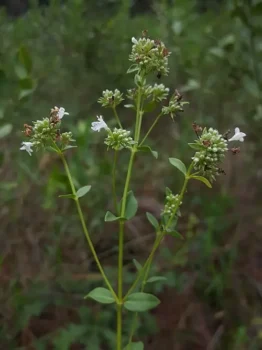
If you’re looking for a native plant that thrives in those tricky wet areas of your garden while providing serious pollinator power, let me introduce you to coastal plain mountainmint (Pycnanthemum nudum). This delightful southeastern native might not be the most famous member of the mint family, but it’s definitely one worth getting to know!
What is Coastal Plain Mountainmint?
Coastal plain mountainmint is a perennial forb native to the southeastern United States. As a member of the mint family, it shares that characteristic square stem and aromatic foliage that makes mints so recognizable. But unlike its more aggressive mint cousins, this species is perfectly well-behaved in the garden.
You might occasionally see it listed under its synonym Koellia nuda, but don’t let the scientific names confuse you – we’re talking about the same wonderful plant!
Where Does It Call Home?
This southeastern beauty is native to the coastal plain regions of Alabama, Florida, Georgia, and South Carolina. It’s perfectly adapted to the unique growing conditions of these areas, particularly those spots that stay moist or even soggy for parts of the year.
- Species observed
- No observations
Why Your Garden (and Local Pollinators) Will Love It
Coastal plain mountainmint is like throwing a summer party for pollinators! When it blooms from mid to late summer, those small white to pale pink flowers arranged in dense, rounded clusters become absolute magnets for:
- Native bees
- Butterflies
- Beneficial insects
- Other pollinating insects looking for a late-season nectar source
The timing is particularly valuable since many other native plants have finished blooming by then, making this plant a crucial late-season food source for pollinators preparing for winter.
Perfect Spots in Your Landscape
This adaptable native shines in several garden situations:
- Rain gardens: Its facultative wetland status means it loves those areas that collect water
- Pollinator gardens: Essential for supporting native bee and butterfly populations
- Native plant gardens: Adds authentic regional character
- Naturalized landscapes: Perfect for low-maintenance, natural-looking areas
- Wetland gardens: Thrives in consistently moist conditions
Growing Conditions That Make It Happy
Coastal plain mountainmint is refreshingly easy-going about its growing conditions:
- Sunlight: Full sun to partial shade (though more sun usually means more flowers)
- Soil: Prefers moist to wet soils but is fairly adaptable
- Water: Loves consistent moisture and can handle seasonal flooding
- Climate: Hardy in USDA zones 8-10, perfect for its native southeastern range
Planting and Care Tips
The best part about coastal plain mountainmint? It’s wonderfully low-maintenance once established!
When to plant: Spring is ideal, giving the plant time to establish before its first winter.
Planting tips: Choose a spot that stays consistently moist – think of those areas in your yard where water tends to collect or linger after rain. Space plants appropriately since this species spreads by underground rhizomes (don’t worry, it’s not invasive like some mints!).
Ongoing care: Very little required! Keep it watered during dry spells, especially in its first year. After that, it should largely take care of itself in suitable conditions.
Is This Plant Right for Your Garden?
Coastal plain mountainmint is an excellent choice if you:
- Live within its native range (southeastern coastal states)
- Have wet or consistently moist areas in your landscape
- Want to support local pollinators with native plants
- Prefer low-maintenance gardening
- Enjoy fragrant plants (bonus: the mint scent!)
However, it might not be the best fit if you’re looking for a plant for dry, well-drained areas or if you live outside its natural hardiness range.
The Bottom Line
Coastal plain mountainmint proves that native plants can be both beautiful and functional. With its pollinator-attracting flowers, pleasant fragrance, and ability to thrive in challenging wet conditions, it solves multiple garden challenges while supporting local ecosystems. Plus, there’s something deeply satisfying about growing a plant that’s perfectly adapted to your local environment – it just feels right!
If you’re ready to add this southeastern gem to your garden, look for it at native plant sales or specialty nurseries that focus on regional flora. Your local pollinators will thank you!