Coastal Plain Nailwort: A Rare Native Gem Worth Protecting
Meet coastal plain nailwort (Paronychia herniarioides), one of the Southeast’s best-kept botanical secrets. This tiny annual might not win any beauty contests, but for native plant enthusiasts and conservation-minded gardeners, it represents something far more valuable: a rare piece of our natural heritage that’s quietly disappearing from the landscape.
What Makes This Plant Special
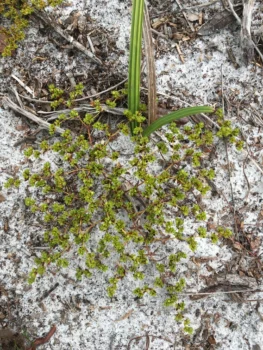
Don’t let the humble appearance fool you – coastal plain nailwort is a fascinating little survivor. This annual forb (that’s botanist-speak for a non-woody flowering plant) forms low mats of small, opposite leaves topped with clusters of tiny white flowers. Think of it as nature’s version of a living carpet, but one that’s become increasingly hard to find in the wild.
You might also encounter this plant listed under its synonym Gastronychia herniarioides in older botanical references, but Paronychia herniarioides is the accepted name today.
Where It Calls Home
This southeastern native has a pretty specific address: the coastal plains of Alabama, Florida, Georgia, and South Carolina. It’s a true regional specialist that has evolved to thrive in the sandy, well-drained soils characteristic of these areas.
- Species observed
- No observations
The Rarity Reality Check
Here’s where things get serious. Coastal plain nailwort carries a global conservation status of S2S4, and in Alabama, it’s ranked S1 – meaning it’s critically imperiled in that state. This isn’t just another pretty wildflower; it’s a plant that genuinely needs our help to survive.
If you’re considering growing this species, that’s wonderful – but please, please source it responsibly. Never collect from wild populations, and only purchase from reputable native plant nurseries that can verify their stock comes from ethical propagation programs.
Growing Coastal Plain Nailwort Successfully
Want to give this rare beauty a home in your garden? Here’s what you need to know:
Ideal Growing Conditions
- USDA Hardiness Zones: 8-10
- Soil: Sandy, well-draining soil that mimics coastal plain conditions
- Light: Full sun to partial shade
- Water: Moderate moisture, but excellent drainage is crucial
Planting and Care Tips
Since this is an annual, you’ll be working with seeds rather than transplants. Fall seeding often works best, allowing the seeds to experience natural cold stratification over winter. Once established, coastal plain nailwort is refreshingly low-maintenance – just the way nature intended.
The key to success is mimicking its native habitat. Think sandy soils, good drainage, and minimal fussing. This isn’t a plant that appreciates rich, amended garden soil or frequent watering.
Garden Design Role
Coastal plain nailwort works best in specialized native plant gardens, particularly those focused on conservation or botanical diversity. It’s perfect for:
- Native plant demonstration gardens
- Conservation collections
- Educational landscapes highlighting rare species
- Sandy garden areas where other plants struggle
Don’t expect this to be a showstopper in your front yard border. Instead, think of it as a conversation starter – a plant that tells a story about conservation, regional ecology, and the importance of preserving botanical diversity.
Wildlife and Pollinator Benefits
While coastal plain nailwort may not be a pollinator powerhouse, its small flowers do attract tiny insects, contributing to the complex web of interactions that make native ecosystems function. Every native plant, no matter how small, plays a role in supporting local wildlife.
The Bottom Line
Should you grow coastal plain nailwort? If you’re passionate about native plants, conservation, and preserving rare species, absolutely – just make sure you source it responsibly. This isn’t a plant for every gardener, but for those who appreciate botanical rarity and want to contribute to conservation efforts, it’s a meaningful addition to the landscape.
Remember, by growing rare natives like coastal plain nailwort, you’re not just adding to your plant collection – you’re helping ensure these species have a future. And that’s something worth getting excited about, even if the flowers are only a few millimeters wide.