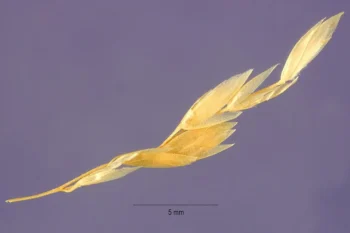
Coastal Plain Panicgrass: A Delicate Native Treasure for Your Garden
If you’re looking to add some subtle elegance to your native plant garden while supporting local wildlife, coastal plain panicgrass (Dichanthelium longiligulatum) might just be the perfect addition. This delicate perennial grass brings a soft, naturalistic touch to landscapes while playing an important ecological role that often goes unnoticed.
What Makes Coastal Plain Panicgrass Special?
Coastal plain panicgrass is a charming native graminoid that’s been quietly gracing American landscapes for centuries. As a true native to the lower 48 states, this perennial grass has evolved alongside our local ecosystems, making it a natural fit for wildlife-friendly gardens. Its fine texture and graceful movement in the breeze add a peaceful, almost meditative quality to any planting.
Where Does It Call Home?
This adaptable grass has quite an impressive range, naturally occurring across 30 states from coast to coast. You’ll find it thriving from Alabama to North Dakota, and from California to Massachusetts. It’s particularly well-suited to coastal plain regions, as its common name suggests, but don’t let that fool you into thinking it’s limited to seaside gardens.
- Species observed
- No observations
A Word of Caution: Rarity Matters
Here’s something important to know: while coastal plain panicgrass has a wide native range, it’s actually quite rare in some areas. In New Jersey, it holds an endangered status and is specially protected in both the Pinelands and Highlands regions. If you’re considering adding this grass to your garden, please make sure you source it responsibly from reputable native plant nurseries that propagate their own stock rather than wild-collecting.
Why Birds (and Your Garden) Will Thank You
One of the most compelling reasons to grow coastal plain panicgrass is its wildlife value. Research shows that this unassuming grass provides 5-10% of the diet for many terrestrial birds. Those tiny seeds might look insignificant to us, but they’re like gourmet bird food to our feathered friends! While birds don’t typically use it for cover, the nutritional value makes it a worthy addition to any wildlife garden.
Growing Coastal Plain Panicgrass Successfully
The good news is that once established, this native grass is relatively low-maintenance. Here’s what you need to know:
- Sunlight: Thrives in full sun to partial shade
- Soil: Prefers well-drained, sandy soils but adapts to various conditions
- Water: Drought tolerant once established, making it perfect for water-wise gardens
- Climate: Hardy in USDA zones 5-9
- Maintenance: Simply cut back in late winter or early spring before new growth appears
Perfect Garden Companions
Coastal plain panicgrass works beautifully in several garden styles:
- Native plant gardens where it can naturalize
- Prairie restorations and meadow plantings
- Wildlife habitat gardens
- Coastal and seaside landscapes
- Erosion control on slopes or sandy areas
Consider pairing it with other native grasses and wildflowers for a naturalistic look that changes beautifully through the seasons.
The Bottom Line
Coastal plain panicgrass may not be the showiest plant in your garden, but its quiet beauty and ecological value make it a worthwhile addition for gardeners committed to supporting native ecosystems. Just remember to source it responsibly, especially given its rarity in some regions. Your local birds will definitely appreciate the effort, and you’ll have the satisfaction of growing a plant that truly belongs in your landscape.
Sometimes the most important garden plants are the ones that work behind the scenes, and coastal plain panicgrass is definitely one of those unsung heroes worth celebrating.