Coastal Sand Sedge: A Hardy Native Grass for Low-Maintenance Gardens
If you’re looking for a tough, no-fuss native plant that can handle whatever Mother Nature throws at it, meet coastal sand sedge (Carex incurviformis). This unassuming perennial sedge might not win any beauty contests, but it’s the reliable friend your garden needs – the one who shows up rain or shine and never asks for much in return.
What Is Coastal Sand Sedge?
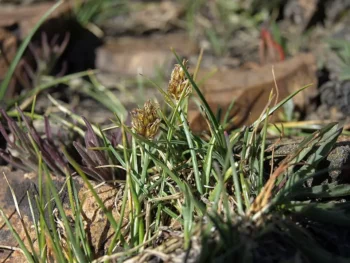
Coastal sand sedge is a grass-like perennial that belongs to the sedge family (Cyperaceae). Don’t let the name fool you – while it’s called coastal, this adaptable plant has made itself at home far from any ocean. It forms neat, dense tufts of narrow, arching leaves that create a fountain-like appearance, typically reaching 6-18 inches tall and spreading 12-18 inches wide.
Where Does It Come From?
This hardy sedge is truly North American through and through, native to Alaska, Canada, and the lower 48 states. You’ll find it naturally growing across a impressive range, including Alberta, British Columbia, Alaska, California, Colorado, Yukon, Idaho, Montana, and Wyoming. That’s quite the geographical spread for one little plant!
- Species observed
- No observations
Why Plant Coastal Sand Sedge?
Here’s where this humble sedge really shines. If you’re tired of babying high-maintenance plants, coastal sand sedge might just be your new best friend. Here’s why:
- Incredibly adaptable: With a facultative wetland status, it’s equally happy in moist spots or drier areas
- Low maintenance: Once established, it’s quite drought tolerant and rarely needs attention
- Native benefits: Supports local ecosystems and wildlife
- Erosion control: Those dense root systems help hold soil in place
- Year-round interest: Provides structure and texture through multiple seasons
Perfect Garden Settings
Coastal sand sedge fits beautifully into several garden styles:
- Native plant gardens: A natural choice for authentic regional landscapes
- Rain gardens: Its flexible moisture tolerance makes it ideal for areas with variable water levels
- Meadow gardens: Provides natural-looking ground cover and texture
- Coastal landscapes: Lives up to its name in seaside settings
- Low-maintenance borders: Perfect for areas where you want greenery without fuss
Growing Conditions
One of the best things about coastal sand sedge is how easygoing it is about growing conditions. It thrives in USDA hardiness zones 3-8, handling both frigid winters and warm summers with grace.
Light: Full sun to partial shade – it’s not picky
Soil: Prefers sandy or gravelly soils but adapts to various soil types
Water: Moist to dry conditions; established plants are quite drought tolerant
pH: Tolerates a wide range of soil pH levels
Planting and Care Tips
Getting coastal sand sedge established is refreshingly straightforward:
- Planting: Spring or fall are ideal planting times
- Spacing: Plant 12-18 inches apart for good coverage
- Watering: Keep consistently moist the first year; after that, it’s largely self-sufficient
- Fertilizing: Generally unnecessary – this plant prefers lean conditions
- Pruning: Optional late winter cleanup of old foliage
- Propagation: Divide clumps in spring or fall to create new plants
Wildlife and Ecosystem Benefits
While coastal sand sedge is wind-pollinated (so it won’t attract butterfly clouds to your garden), it still provides valuable ecosystem services. The dense clumps offer shelter for small wildlife, and the seeds can provide food for birds. Plus, by choosing native plants like this one, you’re supporting the complex web of local relationships that make healthy ecosystems possible.
The Bottom Line
Coastal sand sedge might not be the showiest plant in your garden, but it’s definitely one of the most reliable. If you’re building a low-maintenance, environmentally friendly landscape – especially in areas with challenging growing conditions – this tough little sedge deserves serious consideration. It’s the kind of plant that quietly does its job while you focus on the more demanding members of your garden family.
Sometimes the best plants are the ones that simply get on with the business of growing, season after season, without drama or fuss. Coastal sand sedge is exactly that kind of plant.