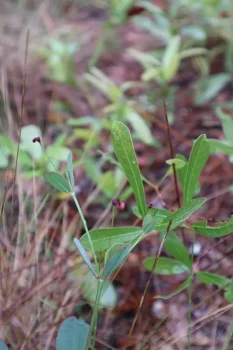
Coastal Sand Spurge: A Hardy Native for Southeastern Gardens
If you’re looking for a low-maintenance native plant that can handle tough coastal conditions, let me introduce you to coastal sand spurge (Euphorbia exserta). This unassuming little perennial might not win any beauty contests, but it’s got character and resilience that make it a valuable addition to the right garden.
What is Coastal Sand Spurge?
Coastal sand spurge is a native perennial forb – that’s garden-speak for a non-woody herbaceous plant. Don’t let its humble appearance fool you; this tough little plant has been thriving in the southeastern United States long before any of us started gardening. It’s also known by several scientific synonyms, including Euphorbia gracilis and Tithymalopsis exserta, but coastal sand spurge rolls off the tongue much easier!
Where Does It Call Home?
This native beauty naturally occurs across the southeastern coastal states, including Florida, Georgia, North Carolina, South Carolina, and Virginia. It’s perfectly adapted to the challenging conditions of coastal plains, where sandy soils and salt spray would send many garden plants packing.
- Species observed
- No observations
Why You Might Want to Grow Coastal Sand Spurge
Here’s where coastal sand spurge really shines – it’s the plant equivalent of that reliable friend who never complains. Here are some compelling reasons to consider it:
- Native plant that supports local ecosystems
- Extremely drought tolerant once established
- Thrives in poor, sandy soils where other plants struggle
- Low maintenance with minimal care requirements
- Perfect for naturalized coastal landscapes
- May provide habitat for small beneficial insects
What to Expect: Looks and Growth
Let’s be honest – coastal sand spurge isn’t going to stop traffic with its stunning blooms. This modest plant produces small, inconspicuous white to greenish flowers and has delicate, small oval leaves. Its low-growing, spreading habit makes it an excellent ground cover choice. Think of it as the quiet, dependable type rather than the flashy showoff.
Perfect Garden Settings
Coastal sand spurge is happiest in:
- Coastal gardens where salt tolerance is crucial
- Native plant gardens celebrating local flora
- Naturalized landscapes and meadows
- Areas with poor, sandy soil
- Low-maintenance landscape zones
Growing Conditions and Care
The beauty of coastal sand spurge lies in its simplicity. This plant thrives in USDA hardiness zones 8-10 and prefers:
- Full sun to partial shade
- Sandy, well-draining soils (actually prefers poor soil!)
- Minimal water once established
- Little to no fertilization needed
Once planted, coastal sand spurge pretty much takes care of itself. It may even self-seed, gradually creating a natural colony – perfect for that effortless, wild look many native plant enthusiasts love.
Planting and Care Tips
Getting started with coastal sand spurge is refreshingly straightforward:
- Plant in spring after the last frost
- Space plants according to desired coverage area
- Water regularly only during the first growing season
- Avoid rich, amended soils – this plant prefers it lean
- Allow natural self-seeding for expanded coverage
- Minimal pruning required
The Bottom Line
Coastal sand spurge might not be the most glamorous plant in the garden center, but it’s exactly what many southeastern gardens need. If you’re dealing with challenging coastal conditions, poor sandy soil, or simply want a reliable native that won’t demand constant attention, this humble spurge could be your new best friend. It’s proof that sometimes the most valuable plants are the ones that quietly do their job without any fuss – supporting local wildlife, preventing erosion, and adding that authentic wild touch to your landscape.
Ready to embrace the beauty of understated natives? Coastal sand spurge is waiting to show you that sometimes less really is more in the garden.