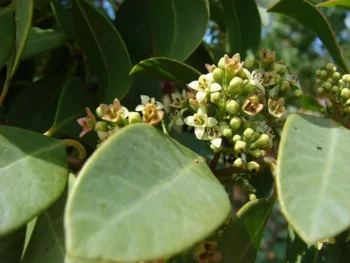
Coastal Sandalwood: A Rare Hawaiian Treasure for Your Garden
If you’re dreaming of bringing a piece of authentic Hawaiian heritage to your garden, coastal sandalwood (Santalum ellipticum) might just be the perfect addition. This native Hawaiian shrub offers both cultural significance and natural beauty, though its rarity makes it a plant that requires thoughtful consideration before planting.
What Makes Coastal Sandalwood Special?
Coastal sandalwood is a perennial shrub native exclusively to the Hawaiian Islands. This multi-stemmed woody plant typically grows to heights of 4-5 meters (13-16 feet), though it can sometimes grow taller or remain single-stemmed depending on environmental conditions. What really sets this plant apart is its fragrant wood, which has made it culturally and economically important to Hawaii for centuries.
The plant produces small, yellowish-green flowers that may not be showstoppers, but they attract native Hawaiian pollinators. These blooms eventually develop into small red to black drupes, adding seasonal interest to the landscape.
Where Does It Grow Naturally?
You’ll find coastal sandalwood naturally occurring throughout the Hawaiian Islands, particularly in coastal areas where it has adapted to the unique island environment. As its name suggests, this species thrives in Hawaii’s coastal ecosystems.
- Species observed
- No observations
Important Rarity Considerations
Here’s something crucial to know: coastal sandalwood has a Global Conservation Status of S2S3, meaning it’s considered imperiled to vulnerable in its native range. This rarity status is something every gardener should take seriously. If you’re interested in growing this remarkable plant, it’s essential to source it only from reputable nurseries that propagate plants responsibly rather than collecting from wild populations.
Garden Design and Landscape Role
Coastal sandalwood works beautifully as:
- A specimen plant in native Hawaiian gardens
- Part of cultural or heritage garden designs
- An element in coastal landscape restoration projects
- A focal point in xerophytic (drought-tolerant) landscapes
This shrub is particularly well-suited for gardens that celebrate Hawaiian native plants or for coastal properties where you want to maintain an authentic island aesthetic.
Growing Conditions and Care
The good news is that once established, coastal sandalwood is relatively low-maintenance. Here’s what this Hawaiian native prefers:
- Sunlight: Full sun to partial shade
- Soil: Well-draining soils are absolutely essential
- Water: Drought tolerant once established, requiring minimal supplemental watering
- Climate: USDA hardiness zones 10-12 (tropical and subtropical regions)
Planting and Care Tips
When growing coastal sandalwood, patience is key – this is a slow-growing species that rewards gardeners who think long-term. Here are some essential care tips:
- Ensure excellent drainage to prevent root rot
- Water regularly during establishment, then reduce frequency
- Avoid overwatering, as this can be detrimental to the plant
- Allow plenty of space for the plant’s natural multi-stemmed growth habit
- Minimal pruning is typically needed
Benefits to Pollinators and Wildlife
While coastal sandalwood’s flowers may be small, they play an important role in supporting native Hawaiian pollinators. The plant’s fruits also provide food for native wildlife, making it a valuable addition to any garden focused on supporting local ecosystems.
Should You Plant Coastal Sandalwood?
If you live in a suitable climate (zones 10-12) and are committed to supporting Hawaiian native plant conservation, coastal sandalwood can be a wonderful addition to your garden. However, its rarity status means this isn’t a casual gardening choice. Only purchase from nurseries that can verify their plants are propagated from cultivated stock, not wild-collected specimens.
For gardeners outside of tropical zones or those looking for easier alternatives, consider researching other native sandalwood species that might be better suited to your local climate and more readily available through responsible sources.
Remember, growing rare native plants like coastal sandalwood isn’t just about adding beauty to your garden – it’s about participating in conservation efforts and helping preserve Hawaii’s unique botanical heritage for future generations.