Coastal Sneezeweed: A Golden Gem for Wet Gardens
If you’re looking for a cheerful native perennial that thrives in those tricky wet spots in your garden, let me introduce you to coastal sneezeweed (Helenium bolanderi). Don’t let the name fool you – this golden beauty won’t actually make you sneeze, and it’s definitely not a weed in the traditional sense!
What Makes Coastal Sneezeweed Special?
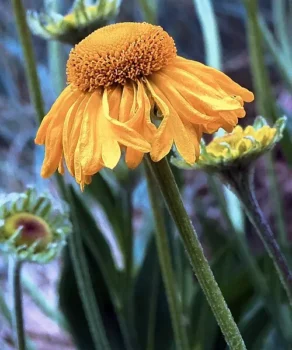
Coastal sneezeweed is a native herbaceous perennial that belongs to the sunflower family. This delightful forb produces bright yellow, daisy-like flowers with prominent dark centers that absolutely glow in late summer and fall gardens. Standing 1-3 feet tall and spreading about 1-2 feet wide, it forms lovely clumps that naturalize beautifully over time.
As a true native of the Pacific Coast, this plant has evolved alongside local wildlife and ecosystems for thousands of years. You might also see it listed under its botanical synonyms, including Dugaldia grandiflora or Helenium bigelovii var. festivum, but they’re all the same wonderful plant.
Where Does Coastal Sneezeweed Call Home?
This coastal native has a relatively limited but specific range, growing naturally in California and Oregon. It’s particularly fond of wetland margins, seasonal pools, and areas that experience regular moisture fluctuations along the Pacific Coast.
- Species observed
- No observations
Why Your Garden (and Local Wildlife) Will Love It
Here’s where coastal sneezeweed really shines as a garden plant:
- Pollinator magnet: Those bright yellow blooms are like beacons for native bees, butterflies, and other beneficial insects
- Late-season color: When many other flowers are fading, coastal sneezeweed is just hitting its stride
- Water-wise for wet areas: Perfect for those challenging soggy spots where other plants struggle
- Low maintenance: Once established, it pretty much takes care of itself
- Native wildlife support: Provides important habitat and food sources for local ecosystem
Perfect Garden Situations
Coastal sneezeweed is ideal for:
- Rain gardens and bioswales
- Seasonal wetland areas
- Native plant gardens
- Naturalized landscapes
- Pollinator gardens
- Areas with poor drainage
Its facultative wetland status means it usually prefers wet conditions but can tolerate some drier periods, making it quite versatile for different moisture levels.
Growing Coastal Sneezeweed Successfully
Climate Requirements: This plant thrives in USDA hardiness zones 7-10, making it perfect for mild coastal climates.
Light and Soil: Give your coastal sneezeweed full sun to partial shade and consistently moist to wet soil. It’s particularly happy in areas that experience seasonal flooding or standing water.
Planting Tips:
- Plant in spring after the last frost
- Space plants 12-18 inches apart
- Keep soil consistently moist during establishment
- Mulch around plants to retain moisture
Ongoing Care: The beauty of native plants like coastal sneezeweed is their low-maintenance nature. Once established, they typically need minimal care beyond occasional watering during extended dry periods. The plant may self-seed in favorable conditions, creating natural colonies over time.
A Few Things to Consider
While coastal sneezeweed is generally well-behaved, keep in mind that it’s specifically adapted to coastal wetland conditions. If you’re not in its native range of California or Oregon, you might want to consider similar native alternatives that are better suited to your local ecosystem.
Also, despite its common name, coastal sneezeweed doesn’t typically cause allergic reactions – the name comes from historical uses rather than any sneeze-inducing properties!
The Bottom Line
Coastal sneezeweed is a fantastic choice for gardeners in its native range who want to support local ecosystems while adding reliable late-season color to challenging wet areas. Its bright blooms, pollinator benefits, and easy-care nature make it a true winner for sustainable, water-conscious gardening. Plus, there’s something deeply satisfying about growing a plant that truly belongs in your local landscape!