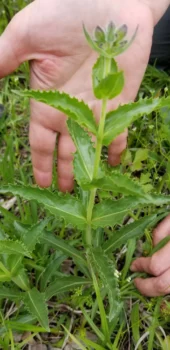
Cobaea Beardtongue: A Spectacular Native Wildflower for Your Garden
If you’re looking for a show-stopping native wildflower that’ll have your neighbors asking what IS that gorgeous plant?, let me introduce you to cobaea beardtongue (Penstemon cobaea). This perennial powerhouse brings big blooms and even bigger personality to gardens across much of the United States.
Meet the Cobaea Beardtongue
Cobaea beardtongue is a herbaceous perennial that’s native to the lower 48 states, making it a fantastic choice for gardeners who want to support local ecosystems. As a member of the beardtongue family, it gets its quirky name from the fuzzy beard of hairs on the lower lip of its flowers – nature’s way of adding a little whimsy to an already stunning bloom.
This native beauty grows naturally across an impressive range of states including Arizona, Arkansas, Colorado, Illinois, Iowa, Kansas, Missouri, Nebraska, New Mexico, Ohio, Oklahoma, and Texas. It’s particularly at home in the Great Plains and southwestern regions, where it has adapted to thrive in challenging conditions.
- Species observed
- No observations
Why You’ll Fall in Love with This Plant
The real showstopper here is the flowers. Cobaea beardtongue produces absolutely massive tubular blooms – we’re talking 1.5 to 2 inches long! – in elegant shades of white to pale pink or purple. These impressive flowers appear in spring to early summer, creating dramatic vertical spikes that add serious visual impact to any garden bed.
But it’s not just about looks (though the looks are pretty spectacular). This plant is a pollinator magnet, attracting bees, butterflies, and hummingbirds with its nectar-rich blooms. The long tubular shape is perfectly designed for long-tongued pollinators, making it an essential addition to any wildlife-friendly garden.
Where Does Cobaea Beardtongue Shine?
This versatile native works beautifully in several garden settings:
- Native plant gardens and prairie restorations
- Xeriscaping and drought-tolerant landscapes
- Rock gardens and naturalized areas
- Wildlife and pollinator gardens
- Mixed perennial borders for vertical interest
It’s particularly perfect for gardeners in USDA hardiness zones 4-8 who want low-maintenance plants that can handle tough conditions once established.
Growing Your Cobaea Beardtongue Successfully
The best part about cobaea beardtongue? It’s refreshingly easy to grow once you understand its preferences. This plant evolved in challenging prairie and southwestern conditions, so it’s naturally tough and drought-tolerant.
Light Requirements: Give it full sun to partial shade, though it performs best with at least 6 hours of direct sunlight daily.
Soil Needs: Well-draining soil is absolutely essential – this plant does not like wet feet! It prefers alkaline to neutral pH and actually thrives in poor to average soils. Rich, fertile soil can sometimes make the plant too lush and floppy.
Watering: Water regularly the first year to help establish strong roots, then step back and let nature take over. Once established, cobaea beardtongue is remarkably drought tolerant.
Planting and Care Tips
Plant your cobaea beardtongue in spring or fall, spacing plants about 12-18 inches apart to give them room to spread. The plant typically reaches 2-4 feet tall and 1-2 feet wide, so plan accordingly.
For extended blooming, try deadheading spent flowers – though if you want the plant to self-seed (and you might, because baby beardtongues are delightful), leave some seed heads intact. In favorable conditions, you may find pleasant surprises sprouting up in your garden.
Winter care is minimal – simply cut back the stems after they’ve died back naturally, or leave them standing for winter interest and to provide habitat for beneficial insects.
A Note About Conservation
While cobaea beardtongue isn’t considered rare throughout most of its range, it does have a rarity status of S3 in Arkansas, meaning it’s somewhat uncommon there. If you’re gardening in Arkansas or other areas where the plant might be less common, please source your plants responsibly from reputable native plant nurseries rather than collecting from wild populations.
The Bottom Line
Cobaea beardtongue is one of those wonderful plants that gives you maximum impact for minimum effort. It’s gorgeous, supports local wildlife, thrives in tough conditions, and asks for very little in return. Whether you’re creating a prairie garden, adding native plants to your landscape, or simply want something spectacular that the hummingbirds will adore, cobaea beardtongue deserves a spot in your garden.
Plus, you’ll get to enjoy telling people about your beardtongue – and trust me, that name never gets old!