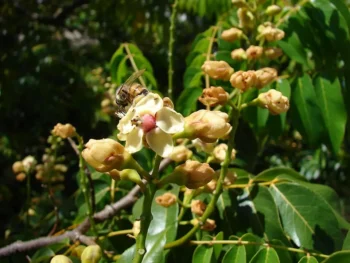
Cobana Negra: A Rare Caribbean Treasure for Your Tropical Garden
Meet the cobana negra (Stahlia monosperma), one of the Caribbean’s most remarkable yet vulnerable native trees. This stunning perennial giant offers tropical gardeners a chance to grow something truly special – while helping conserve a threatened species.
Where Does Cobana Negra Come From?
This magnificent tree calls the warm islands of Puerto Rico and the U.S. Virgin Islands home. As a true Caribbean native, it has evolved to thrive in the unique conditions of these tropical paradises, making it a perfect choice for authentic island landscaping.
- Species observed
- No observations
Why You’ll Fall in Love with This Tree
Cobana negra is a showstopper that can reach an impressive 50 feet tall (and up to 75 feet in ideal conditions). Here’s what makes it special:
- Spring blooms: Bright yellow flowers create a stunning display during the active growing season
- Eye-catching fruits: Red seed pods add vibrant color and visual interest
- Dense foliage: Coarse-textured green leaves provide excellent shade year-round
- Impressive size: A true statement tree that commands attention
Important Conservation Note
Before you start planning your planting spot, here’s something crucial to know: cobana negra is considered vulnerable and threatened. With only 21-100 known occurrences worldwide, this tree needs our help to survive. If you choose to plant one, please only purchase from reputable nurseries that use responsibly sourced, legally propagated material – never wild-collected plants.
Is Cobana Negra Right for Your Garden?
This tree is perfect for gardeners who:
- Live in USDA zones 10-11 (needs year-round frost-free conditions)
- Have large properties with space for a substantial tree
- Want to create authentic Caribbean or tropical landscaping
- Are interested in conservation gardening
- Need a reliable shade tree for hot climates
Growing Conditions: What Cobana Negra Needs
This Caribbean beauty has some specific preferences:
- Soil: Prefers well-draining, coarse to medium-textured soils with alkaline pH (7.5-7.9)
- Water: Medium drought tolerance once established, but prefers areas with 20-60 inches annual rainfall
- Light: Full sun for best growth and flowering
- Temperature: Needs temperatures above 40°F year-round
- Wetlands: Naturally occurs in wetland areas but can adapt to drier sites
Planting and Care Tips
Growing cobana negra successfully requires some patience and planning:
- Propagation: Grow from seed during summer fruiting period
- Spacing: Plant 320-640 trees per acre if creating a grove, or give single specimens plenty of room
- Root space: Ensure at least 36 inches of soil depth for proper root development
- Fertilization: Medium fertility requirements – avoid over-fertilizing
- Pruning: Minimal pruning needed; this tree doesn’t resprout well if damaged
A Tree Worth Protecting
By choosing to grow cobana negra, you’re not just adding a stunning specimen to your landscape – you’re participating in conservation efforts for a vulnerable species. This remarkable tree offers year-round beauty, excellent shade, and the satisfaction of growing something truly rare and special.
Remember, responsible sourcing is key. Work with reputable native plant nurseries and never attempt to collect seeds or plants from wild populations. Together, we can help ensure future generations get to enjoy the beauty of cobana negra.