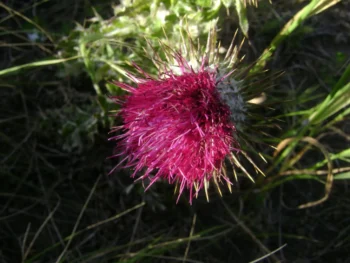
Cobwebby Thistle: A Silvery Native Beauty for Western Gardens
If you’re looking for a native plant that combines striking visual appeal with serious pollinator power, meet the cobwebby thistle (Cirsium occidentale). This western native might just be the unsung hero your garden has been waiting for – though it comes with a few important considerations every responsible gardener should know.
What Makes Cobwebby Thistle Special
Don’t let the word thistle scare you away! Cobwebby thistle earned its charming common name from the distinctive white, web-like hairs that cover its stems and leaves, giving the entire plant a silvery, almost ethereal appearance. When those purple-pink flowers bloom from spring through summer, the contrast against the silvery foliage is absolutely stunning.
This herbaceous perennial (sometimes biennial) is a true forb – meaning it’s a non-woody flowering plant that dies back to the ground each year, only to return with renewed vigor the following season.
Where It Calls Home
Cobwebby thistle is native to the western United States, naturally occurring in California, Nevada, and Oregon. It’s perfectly adapted to the unique climate and soil conditions of these regions, making it an excellent choice for gardeners wanting to work with nature rather than against it.
- Species observed
- No observations
A Word of Caution: Rarity Matters
Here’s something important to know before you start planning: cobwebby thistle has a conservation status of S3S4, which means it’s somewhat uncommon in the wild. While this makes it even more special to grow, it also means you’ll want to source your plants or seeds responsibly. Look for nurseries that propagate their own stock rather than wild-collect, and consider yourself a conservation gardener when you choose to grow this beauty!
Why Your Garden (and Local Wildlife) Will Love It
Cobwebby thistle is a pollinator magnet. Those showy purple-pink blooms are like neon signs for butterflies, bees, and other beneficial insects. If you’re working on creating a pollinator garden or simply want to support local wildlife, this native beauty delivers.
In landscape design, cobwebby thistle works wonderfully in:
- Native plant gardens
- Wildlife-friendly landscapes
- Drought-tolerant garden designs
- Naturalized meadow plantings
- Coastal gardens (especially in its native range)
Growing Conditions: Less is More
One of the best things about native plants? They’re generally low-maintenance once established, and cobwebby thistle is no exception. This plant thrives in USDA hardiness zones 8-10 and has some pretty specific preferences:
- Sunlight: Full sun is best
- Soil: Well-draining soil is essential – sandy or rocky soils are actually preferred
- Water: Drought-tolerant once established; avoid overwatering
- Soil pH: Adaptable to various pH levels
Planting and Care Tips
Getting cobwebby thistle established is pretty straightforward:
- Timing: Direct seed in fall for best results, allowing natural winter stratification
- Spacing: Give plants room to spread – they can get fairly robust
- Watering: Water regularly the first season, then back off significantly
- Maintenance: Cut back after flowering if you want a tidier appearance, or leave seed heads for wildlife
- Self-seeding: This plant may self-seed, which is great for naturalizing but something to consider in formal gardens
The Bottom Line
Cobwebby thistle is a fantastic choice for western gardeners who want to support native ecosystems while adding unique texture and color to their landscapes. Its silvery foliage and vibrant flowers make it a standout in any native plant collection, and pollinators absolutely adore it.
Just remember to source it responsibly given its conservation status, and be prepared for a plant that prefers the tough love approach – minimal water and maximum sun. If you can provide those conditions, you’ll have a stunning native that truly belongs in your corner of the world.