Cobwebby Thistle: A Striking California Native for Wildlife Gardens
Meet the cobwebby thistle (Cirsium occidentale var. occidentale), a fascinating California native that’s sure to turn heads in your garden – and not just because it’s a thistle! This biennial wildflower brings unique beauty and important ecological value to native plant landscapes, though it comes with a few considerations worth knowing about.
What Makes Cobwebby Thistle Special
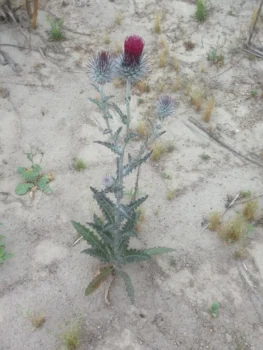
Don’t let the word thistle scare you away from this remarkable native plant. The cobwebby thistle gets its charming common name from the distinctive white, web-like hairs that cover its stems and leaves, creating an almost ethereal appearance. These silvery-white fibers give the entire plant a soft, fuzzy texture that’s quite different from the harsh, spiny reputation most thistles have.
As a biennial forb, cobwebby thistle follows a two-year life cycle. In its first year, it forms a low rosette of leaves, then sends up flowering stems in its second year before setting seed and completing its cycle. The purple-pink flower heads bloom atop sturdy stems, creating a lovely contrast against the silvery foliage.
Where Cobwebby Thistle Calls Home
This thistle is a true California native, found naturally throughout the Golden State’s diverse landscapes. From coastal areas to inland foothills, cobwebby thistle has adapted to California’s Mediterranean climate and varied terrain.
- Species observed
- No observations
Why Consider Cobwebby Thistle for Your Garden
If you’re creating a native California garden or wildlife habitat, cobwebby thistle offers several compelling benefits:
- Pollinator magnet: The nectar-rich flowers attract butterflies, native bees, and other beneficial insects
- Low maintenance: Once established, it’s quite drought-tolerant and needs minimal care
- Unique appearance: The cobwebby texture adds interesting visual and tactile elements to plantings
- Native authenticity: Supports local ecosystems and wildlife that co-evolved with this species
Important Conservation Considerations
Here’s something crucial to know: cobwebby thistle has a conservation status that suggests some populations may be at risk. This means it’s more important than ever to source this plant responsibly. If you’re interested in growing cobwebby thistle, make sure to:
- Purchase from reputable native plant nurseries
- Never collect seeds or plants from wild populations
- Choose nursery-propagated specimens with known provenance
- Consider it a special addition that supports conservation efforts
Growing Cobwebby Thistle Successfully
Cobwebby thistle thrives in USDA zones 8-10, making it perfect for most California gardens. Here’s how to give it the best growing conditions:
Sun and Soil: Plant in full sun to partial shade with well-draining soil. Like many California natives, it prefers not to have wet feet, especially during summer dormancy periods.
Water Needs: While young plants need regular water to get established, mature cobwebby thistle is quite drought-tolerant. Follow typical California native watering practices – more water in winter and spring, less in summer.
Planting Tips: The easiest way to grow cobwebby thistle is from seed sown in fall, mimicking natural germination patterns. The seeds need the cool, moist conditions of winter to break dormancy and sprout in spring.
Garden Design Ideas
Cobwebby thistle works beautifully in:
- Native wildflower meadows
- Pollinator gardens paired with other California natives
- Naturalized areas where it can self-seed
- Wildlife habitat gardens
- Drought-tolerant landscape designs
Is Cobwebby Thistle Right for Your Garden?
This native thistle is ideal for gardeners who want to support California’s native ecosystems while adding unique texture and pollinator value to their landscapes. Its relatively rare status makes it a special choice for conservation-minded gardeners willing to source it responsibly.
Just remember that as a biennial, individual plants won’t be permanent fixtures – but if conditions are right, cobwebby thistle may self-seed and create a sustainable population in your garden. For gardeners seeking low-maintenance natives with ecological value and distinctive beauty, cobwebby thistle is definitely worth considering.