Understanding Coca (Erythroxylum): A Complex Native Plant Genus
When it comes to native gardening, some plant genera require extra careful consideration—and Erythroxylum, commonly known as coca, is definitely one of them. This fascinating group of shrubs has a complex relationship with both ecology and human society that every gardener should understand before considering it for their landscape.
What Exactly Is Erythroxylum?
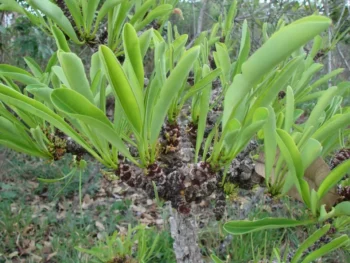
Erythroxylum is a genus of perennial shrubs that typically grow as multi-stemmed woody plants, usually staying under 13-16 feet in height. These shrubs are characterized by their several stems arising from or near ground level, though they can sometimes grow taller or develop a single stem depending on environmental conditions.
While there are many species within this genus, the most well-known is unfortunately associated with illegal drug production, which immediately raises red flags for home gardeners.
Native Range and Current Distribution
The Erythroxylum genus has a somewhat complicated native status. According to available data, these plants are native to Puerto Rico and the U.S. Virgin Islands. However, they’ve also been introduced to other areas including Palau in the Pacific Basin, where they now reproduce spontaneously in the wild.
- Species observed
- No observations
Should You Plant Erythroxylum in Your Garden?
Here’s where things get tricky, and honestly, this is where I need to pump the brakes a bit. Given the legal complexities surrounding certain species in this genus, I strongly recommend against attempting to grow any Erythroxylum species without first:
- Consulting with local law enforcement and agricultural authorities
- Verifying the exact species and its legal status in your area
- Understanding potential liability issues
- Considering whether the risks outweigh any potential benefits
Better Native Alternatives to Consider
Instead of risking the legal and social complications that come with this genus, consider these fantastic native shrub alternatives that can provide similar landscaping benefits:
- For Puerto Rico and U.S. Virgin Islands: Native hibiscus species, native croton, or other regional native shrubs
- For other regions: Research locally native shrubs that provide similar height and structure
Growing Conditions (For Educational Purposes Only)
While I can’t recommend actually growing these plants, understanding their preferred conditions helps us appreciate their ecological role. Unfortunately, specific growing conditions, USDA hardiness zones, and care requirements aren’t well documented in general horticultural literature—likely due to the restricted nature of cultivation.
The Bottom Line
While Erythroxylum species may be native to certain Caribbean locations and could theoretically have ecological value, the potential legal issues and social implications make them unsuitable for home gardening. Your best bet? Focus on other native shrubs that can provide the same landscape structure without the complications.
Remember, native gardening is about supporting local ecosystems responsibly. There are plenty of amazing native alternatives that won’t raise eyebrows with the neighbors or local authorities!
Always consult with local native plant societies, extension services, and legal authorities before planting anything you’re unsure about. Happy (and legal) gardening!