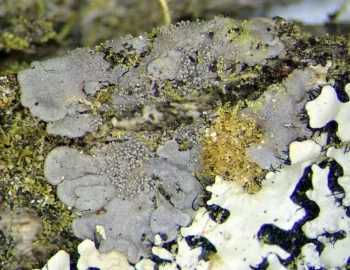
Coccocarpia Lichen: A Fascinating Native Symbiotic Organism
If you’ve ever noticed small, leaf-like growths on tree bark during your garden wanderings, you might have encountered a lichen! Today, let’s explore one particularly interesting species: Coccocarpia palmicola, commonly known as coccocarpia lichen. This fascinating organism isn’t actually a plant at all, but rather a remarkable partnership between fungi and algae that creates something entirely unique in the natural world.
What Exactly Is Coccocarpia Lichen?
Coccocarpia palmicola belongs to that amazing group of organisms called lichens. Think of lichens as nature’s ultimate roommate success story – they’re formed when fungi and algae decide to live together in perfect harmony. The fungus provides structure and protection, while the algae handles the food production through photosynthesis. It’s a win-win arrangement that’s been working beautifully for millions of years!
You might also encounter this species referred to by its scientific synonym, Coccocarpia cronia, in older field guides or botanical references.
Where to Find This Native Wonder
As a species native to North America, coccocarpia lichen has earned its place in our local ecosystems over countless generations. While specific distribution details for this particular species are still being documented by researchers, lichens in the Coccocarpia family typically favor warm, humid environments where they can establish themselves on tree bark and occasionally rocky surfaces.
Identifying Coccocarpia Lichen
Spotting coccocarpia lichen requires a keen eye and perhaps a magnifying glass! Like other members of its family, this lichen typically displays:
- Small, leaf-like or scale-like structures (called thalli)
- Growth patterns that follow the contours of tree bark
- Subtle coloring that helps it blend with its surroundings
- A foliose (leafy) growth form rather than crusty or branching patterns
Is Coccocarpia Lichen Beneficial for Your Garden?
Absolutely! While you can’t exactly plant lichens like traditional garden plants, having them naturally occur in your landscape is actually a wonderful sign. Here’s why coccocarpia lichen and its relatives are garden gold:
- Air quality indicators: Lichens are incredibly sensitive to air pollution, so their presence suggests you have clean, healthy air
- Ecosystem support: They provide tiny but important habitats for microscopic creatures
- Natural beauty: They add subtle texture and interest to tree bark and garden surfaces
- Low maintenance: Once established, they require absolutely no care from you
Encouraging Lichens in Your Garden
Since lichens can’t be traditionally cultivated or purchased at your local nursery, the best way to support them is by creating conditions they love:
- Maintain good air quality by avoiding chemical sprays near trees
- Keep mature trees healthy – lichens need stable bark surfaces
- Ensure adequate humidity around wooded areas of your garden
- Practice patience – lichen establishment and growth happen on nature’s timeline
A Living Partnership Worth Celebrating
Next time you’re strolling through your garden or local woods, take a moment to appreciate any lichens you spot, including the subtle beauty of coccocarpia lichen. These remarkable organisms represent one of nature’s most successful collaborations, quietly contributing to the health and diversity of our native ecosystems. While we can’t control their presence, we can certainly celebrate and protect these fascinating examples of natural partnership when we’re lucky enough to have them grace our landscapes.
Remember, the presence of healthy lichen populations, including species like Coccocarpia palmicola, is often a sign of a thriving, well-balanced outdoor environment – and that’s something every gardener can feel good about!