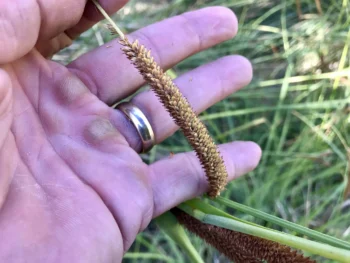
Cochise Sedge: A Rare Southwestern Native Worth Seeking Out
If you’re looking to add authentic southwestern character to your native garden, Cochise sedge (Carex ultra) might just be the perfect accent plant you’ve been searching for. This unassuming but charming sedge brings a touch of wild desert grassland right to your backyard, though finding it might require a bit of detective work.
What Makes Cochise Sedge Special
Cochise sedge is a perennial grass-like plant that forms dense, attractive clumps of narrow, arching leaves. Don’t let its modest appearance fool you – this little sedge packs a lot of personality into its compact form. As a true native of the American Southwest, it’s perfectly adapted to the challenging conditions that make many gardeners throw in the trowel.
You might also see this plant listed under its botanical synonym, Carex spissa var. ultra, but Carex ultra is the accepted name that’ll help you track down seeds or plants from reputable native plant sources.
Where Does Cochise Sedge Call Home?
This sedge has a pretty exclusive address – you’ll only find it naturally growing in Arizona and New Mexico. It’s a true child of the Southwest, thriving in the unique conditions that define this spectacular region.
- Species observed
- No observations
A Word of Caution: Rarity Matters
Here’s where things get a bit serious. Cochise sedge has a Global Conservation Status of S3?, which means its population status isn’t fully defined but suggests it may be uncommon or rare. If you decide to grow this special sedge, please – and we can’t stress this enough – only purchase from reputable native plant nurseries that ethically source their plants. Never collect from wild populations, as this could harm already vulnerable communities of this plant.
Growing Cochise Sedge in Your Garden
The good news? Once you get your hands on responsibly sourced Cochise sedge, it’s relatively easy to keep happy. This tough little plant thrives in USDA hardiness zones 7-9, making it perfect for much of the Southwest and similar climates.
Ideal Growing Conditions
- Soil: Adapts to various soil types, from dry to moderately moist
- Sun: Full sun to partial shade
- Water: Drought tolerant once established
- Maintenance: Low – this is a plant it and forget it kind of sedge
Design Ideas and Garden Roles
Cochise sedge works beautifully as an accent plant in native gardens and xeric landscapes. Its clumping habit makes it perfect for:
- Adding texture contrast among broader-leafed desert plants
- Creating natural-looking drifts in wildflower meadows
- Stabilizing slopes with its fibrous root system
- Filling gaps in rock gardens or between larger shrubs
This sedge is particularly stunning when planted in naturalistic groupings rather than formal rows. Think scattered across the landscape rather than lined up like soldiers.
Wildlife and Pollinator Value
Like most sedges, Cochise sedge is wind-pollinated, so it won’t be buzzing with bees and butterflies. However, it does provide valuable habitat and food for various wildlife species, including birds that appreciate the seeds and small mammals that use the clumps for cover.
The Bottom Line
Cochise sedge is a fantastic choice for gardeners who want to create authentic southwestern landscapes with plants that have true regional character. Its low-maintenance nature and drought tolerance make it a practical choice, while its rarity makes it a conversation starter for fellow native plant enthusiasts.
Just remember: if you decide to add this special sedge to your garden, make sure you’re supporting conservation efforts by purchasing only from reputable sources. Your garden – and wild Cochise sedge populations – will thank you for it.