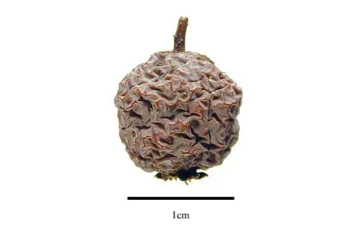
Cockspur Hawthorn: A Thorny Beauty That’s Worth the Prick
If you’re looking for a native tree that’s equal parts charming and tough-as-nails, let me introduce you to the cockspur hawthorn. This plucky little tree might sound like it belongs in a fairy tale (and honestly, with those thorns, it kind of does), but it’s actually one of North America’s most reliable native performers.
What Exactly Is Cockspur Hawthorn?
Cockspur hawthorn (Crataegus crusgalli) is a native North American shrub or small tree that typically grows as a multi-stemmed woody plant. Don’t let the shrub label fool you – this beauty can reach up to 30 feet tall at maturity, though it usually stays more modest in home landscapes. It’s a perennial (meaning it comes back year after year) with a moderate growth rate, so you won’t be waiting decades to see results, but you also won’t wake up one day to find it’s taken over your yard.
Where Does It Call Home?
This adaptable native has quite the impressive range! Cockspur hawthorn naturally grows across most of the eastern United States and parts of Canada, from Maine down to Florida and as far west as Texas and Minnesota. You’ll find it thriving in states including Alabama, Arkansas, Connecticut, Delaware, Florida, Georgia, Illinois, Indiana, Iowa, Kansas, Kentucky, Louisiana, Maine, Maryland, Massachusetts, Michigan, Minnesota, Mississippi, Missouri, New Jersey, New York, North Carolina, Ohio, Oklahoma, Pennsylvania, Rhode Island, South Carolina, Tennessee, Texas, Vermont, Virginia, West Virginia, and Wisconsin. It’s also native to the Canadian provinces of Nova Scotia, Ontario, and Quebec.
- Species observed
- No observations
Why Your Garden Will Love This Thorny Friend
Here’s where cockspur hawthorn really shines – it’s like the Swiss Army knife of native trees. In late spring, it puts on a spectacular show with clusters of white flowers that practically glow against the green foliage. Come fall, those flowers transform into bright red berries that birds absolutely go crazy for, while the foliage turns beautiful autumn colors before dropping to reveal the tree’s interesting winter structure.
The thorns (yes, they’re real and they’re spectacular) make this tree perfect for barrier plantings if you need to keep unwanted visitors out of certain areas. But don’t worry – with proper placement and pruning, the thorns won’t be a problem for regular garden activities.
Perfect Spots for Planting
Cockspur hawthorn is incredibly versatile when it comes to garden roles:
- Specimen tree in native plant gardens
- Wildlife habitat gardens where birds and pollinators are the priority
- Naturalized landscapes and prairie edges
- Barrier plantings for security or privacy
- Mixed native hedgerows
Growing Conditions That Make It Happy
This is where cockspur hawthorn really proves its worth – it’s remarkably unfussy! Here’s what it likes:
- Soil: Adaptable to coarse, medium, or fine-textured soils with pH ranging from 4.5 to 7.2
- Water: Drought tolerant once established, with low moisture requirements
- Sun: Full sun lover – it’s shade intolerant, so don’t try to tuck it into a shady corner
- Climate: Hardy in USDA zones 3-9 (can handle temperatures down to -33°F!)
- Fertility: Low fertility requirements – it’s not a picky eater
Wetland Flexibility
Depending on where you live, cockspur hawthorn has different relationships with water. In most regions, it’s considered facultative, meaning it’s equally happy in wet or dry conditions. In some eastern areas, it leans toward preferring drier sites. This flexibility makes it perfect for those tricky spots in your landscape that are sometimes wet and sometimes dry.
Planting and Care Tips
Getting your cockspur hawthorn off to a good start is pretty straightforward:
- When to plant: Spring or fall, when the tree isn’t actively growing
- Spacing: Allow 300-1200 plants per acre if you’re doing mass plantings, or give individual specimens plenty of room to spread
- Watering: Water regularly the first year, then step back – this tree prefers to tough it out
- Pruning: Best done in late winter while dormant; wear thick gloves because of those thorns!
- Fertilizing: Generally unnecessary – remember, it has low fertility requirements
Wildlife Benefits That’ll Make You Popular
Plant a cockspur hawthorn and you’re basically throwing a year-round party for local wildlife. The spring flowers are magnets for bees, butterflies, and other pollinators. Come fall, the bright red berries feed dozens of bird species, while the thorny branches provide excellent nesting sites and protection from predators. It’s like creating a wildlife bed-and-breakfast in your own backyard.
The Bottom Line
Cockspur hawthorn might not be the showiest tree in the nursery, but it’s definitely one of the most reliable. It’s tough, beautiful in its own way, supports local wildlife, and asks for very little in return. Plus, there’s something deeply satisfying about growing a plant that’s been thriving in your region for thousands of years.
Just remember to place it thoughtfully – those thorns mean business, and you’ll want to keep it away from high-traffic areas. But in the right spot, this native beauty will reward you with years of spring flowers, fall berries, and the knowledge that you’re supporting your local ecosystem one thorny branch at a time.