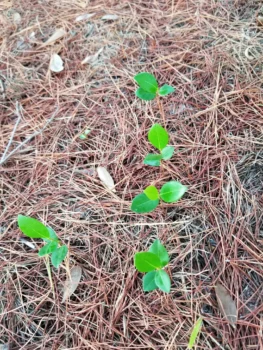
Coco Plum: The Coastal Native That’s Perfect for Low-Maintenance Landscapes
If you’re looking for a tough, beautiful native shrub that laughs in the face of salt spray and sandy soil, let me introduce you to the coco plum (Chrysobalanus icaco). This unsung hero of coastal gardening might just be the perfect addition to your landscape – especially if you’re tired of babying high-maintenance plants that wilt at the first sign of adversity.
What is Coco Plum?
Coco plum, also known simply as icaco, is a native perennial shrub that’s been quietly thriving in Florida and the Caribbean for centuries. As a multi-stemmed woody plant, it typically stays under 13-16 feet tall, making it perfectly sized for most residential landscapes. Don’t let its modest stature fool you – this plant packs a serious punch when it comes to both beauty and resilience.
Where Does Coco Plum Call Home?
This native beauty naturally occurs throughout Florida, Puerto Rico, and the U.S. Virgin Islands, where it has adapted to thrive in coastal conditions that would challenge many other plants. Its native range extends throughout the Caribbean and into tropical regions of Central and South America.
- Species observed
- No observations
Why Your Garden Will Love Coco Plum
Here’s where coco plum really shines – it’s like the Swiss Army knife of native landscaping. The plant produces clusters of small white or pinkish flowers that are absolutely magnetic to bees, butterflies, and other pollinators. But the real show-stopper comes later: round, plum-like fruits that can range from white and pink to deep red and purple. These colorful gems don’t just look good – they’re edible and beloved by both wildlife and humans.
The dense, glossy green foliage provides year-round visual interest, creating a lush backdrop that makes other plants pop. And here’s the kicker – this plant is practically bulletproof when it comes to coastal conditions.
Perfect Garden Roles
Coco plum is incredibly versatile in landscape design:
- Coastal gardens where salt tolerance is crucial
- Native plant gardens and naturalized areas
- Wildlife habitat gardens
- Informal hedging and screening
- Xeriscaping and low-water gardens
- Seaside plantings and beachfront properties
Growing Conditions That Make Coco Plum Happy
One of the best things about coco plum is how easygoing it is about growing conditions. This adaptable native thrives in USDA hardiness zones 9b through 11, making it perfect for warmer climates.
The plant tolerates everything from full sun to partial shade, though it tends to produce more flowers and fruit with more sunlight. As for soil, coco plum isn’t picky – it handles sandy, well-draining soils like a champ, and its salt tolerance makes it invaluable for coastal properties.
Here’s something interesting: coco plum has a facultative wetland status in coastal regions, meaning it usually grows in wetlands but can adapt to drier conditions too. In the Caribbean, it’s considered facultative, growing equally well in wet and dry areas. This flexibility makes it incredibly valuable for challenging sites.
Planting and Care Tips
Ready to add coco plum to your landscape? Here’s how to set it up for success:
- Planting: Choose a spot with well-draining soil – this plant doesn’t like soggy feet despite its wetland tolerance
- Watering: Water regularly during the first growing season to help establish roots, then step back and let nature take over
- Maintenance: This is where coco plum really wins – it needs minimal care once established
- Pruning: Light pruning to shape is all that’s needed, and even that’s optional
- Fertilizing: As a native, it rarely needs supplemental feeding
Wildlife and Pollinator Benefits
Planting coco plum isn’t just good for your landscape – it’s a gift to local wildlife. The flowers provide nectar for bees, butterflies, and other beneficial insects, while the colorful fruits feed birds and small mammals. You’re essentially creating a little ecosystem in your backyard.
Should You Plant Coco Plum?
If you live in zones 9b-11 and want a beautiful, low-maintenance native that supports local wildlife while handling tough coastal conditions, coco plum is an excellent choice. It’s particularly perfect if you’re dealing with salt spray, sandy soil, or simply want a plant that won’t demand constant attention.
The only gardeners who might want to pass are those in cooler climates (it won’t survive freezing temperatures) or those looking for a formal, highly manicured look. Coco plum has a naturally relaxed, somewhat wild appearance that’s perfect for naturalistic designs but might not suit extremely formal landscapes.
For everyone else, especially coastal gardeners and native plant enthusiasts, coco plum offers the perfect combination of beauty, resilience, and ecological value. Plus, you might just get some tasty fruit out of the deal – now that’s what I call a win-win!