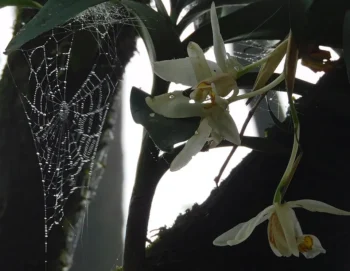
Coelogyne Orchid: A Tropical Beauty for the Dedicated Gardener
If you’ve ever dreamed of growing exotic orchids, the coelogyne orchid might just capture your imagination. This stunning perennial belongs to one of the largest orchid genera, offering gardeners a chance to cultivate something truly special—though it’s definitely not your average backyard flower!
What Makes Coelogyne Orchids Special?
The coelogyne orchid (Coelogyne) is a fascinating plant that’s native to the Pacific Basin, with populations found in places like Palau. These aren’t your typical garden-variety plants—they’re epiphytic orchids that have evolved to live quite differently from most flowers you might know.
Botanically speaking, these orchids are classified as forbs, which means they’re vascular plants without significant woody tissue. Despite this technical classification, don’t let that fool you into thinking they’re simple to grow. These perennials have very specific needs that make them more suited to dedicated orchid enthusiasts than casual gardeners.
- Species observed
- No observations
Should You Grow Coelogyne Orchids?
Here’s where things get interesting—and a bit challenging. Coelogyne orchids are absolutely gorgeous when they bloom, producing elegant flowers that are often fragrant and long-lasting. However, they’re definitely not beginner-friendly plants.
The Good News:
- Stunning, often fragrant flowers in white, cream, yellow, or green
- Long-lasting blooms with distinctive patterns
- Perennial nature means they’ll return year after year with proper care
- Unique conversation starter for your plant collection
The Reality Check:
- Require very specific growing conditions that most gardens can’t provide
- Need greenhouse protection in most climates
- High maintenance compared to typical garden plants
- Limited availability and can be expensive
Growing Conditions: Not for the Faint of Heart
If you’re still intrigued, let’s talk about what these orchids actually need to thrive. Coelogyne orchids are typically suited for USDA hardiness zones 10-12, which means most gardeners will need to provide greenhouse protection or grow them as indoor specimens.
These plants thrive in:
- High humidity environments (60-80%)
- Filtered, indirect light
- Well-draining orchid bark mix
- Consistent moisture without waterlogging
- Good air circulation
Care Tips for Success
If you decide to take on the challenge of growing coelogyne orchids, here are some essential care tips:
- Mount them on bark or grow in specialized orchid bark mix—never regular potting soil
- Mist regularly to maintain humidity, but ensure good drainage
- Provide bright, filtered light—avoid direct sunlight which can scorch the leaves
- Maintain consistent temperatures and avoid dramatic fluctuations
- Be patient—orchids are slow growers and may take time to establish and bloom
Garden Design Role
Let’s be honest: coelogyne orchids aren’t landscape plants in the traditional sense. They’re specialty plants best suited for orchid collections, greenhouse displays, or very specific tropical garden settings with controlled conditions. They won’t be the backbone of your perennial border or the star of your native plant garden.
However, for the right gardener—someone passionate about orchids and willing to provide the specific care these plants need—they can be incredibly rewarding specimens that offer unique beauty and a connection to the diverse plant life of the Pacific region.
The Bottom Line
Coelogyne orchids are stunning plants with a unique place in the gardening world, but they’re definitely not for everyone. If you’re looking for low-maintenance, garden-ready plants, you might want to explore other options. But if you’re an experienced gardener ready for a challenge, or an orchid enthusiast looking to expand your collection, these Pacific beauties might be exactly what you’re seeking.
Just remember: success with coelogyne orchids requires dedication, proper equipment, and a genuine appreciation for the specialized world of orchid cultivation. They’re less plant it and forget it and more daily attention and specific care—but for the right gardener, that’s exactly the appeal!