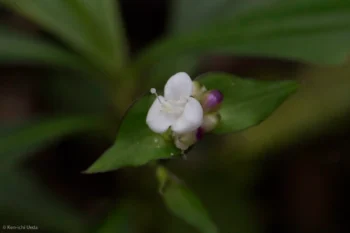
Cohitre Blanco: A Rare Caribbean Native Worth Discovering
If you’re looking for something truly special to add to your tropical garden, meet cohitre blanco (Tradescantia zanonia) – a charming Puerto Rican native that’s as rare in cultivation as it is beautiful in bloom. This lesser-known member of the spiderwort family brings a touch of Caribbean authenticity to shade gardens, though finding it might require some detective work!
What Makes Cohitre Blanco Special?
Cohitre blanco is a perennial herb that stays relatively low to the ground, making it perfect for filling in those tricky shaded spots where other plants struggle. Like its more famous spiderwort cousins, it produces delicate three-petaled flowers in lovely shades of purple or blue that seem to glow against the backdrop of its lance-shaped green foliage.
What truly sets this plant apart is its heritage – it’s a genuine Puerto Rican native, meaning it evolved specifically to thrive in Caribbean conditions. For gardeners in similar climates, this translates to a plant that should feel right at home once established.
Where Does It Come From?
This special plant calls Puerto Rico home, where it grows naturally in the island’s diverse ecosystems. As an endemic species, cohitre blanco represents a unique piece of Caribbean botanical heritage that deserves our attention and conservation efforts.
- Species observed
- No observations
Perfect for Tropical and Subtropical Gardens
If you’re gardening in USDA zones 10-12, cohitre blanco could be an excellent addition to your landscape. Here’s where it shines:
- Shade gardens where you need reliable groundcover
- Native plant gardens focused on Caribbean species
- Understory plantings beneath larger tropical specimens
- Conservation gardens highlighting rare species
Growing Cohitre Blanco Successfully
While specific growing information for this rare species is limited, we can draw from what we know about related Tradescantia species and tropical natives:
Light Requirements: Likely prefers partial shade to full shade, making it ideal for those dim corners of your garden.
Soil Needs: Well-draining soil that retains some moisture should keep it happy – think of the forest floor conditions where it naturally occurs.
Water Requirements: Regular watering during dry periods, but avoid waterlogged conditions.
Climate Considerations: Being a tropical native, it won’t tolerate frost and needs consistently warm temperatures year-round.
A Word of Caution: Rarity Matters
Here’s the thing about cohitre blanco – it’s not exactly common in the nursery trade. This rarity means two important things for gardeners: first, you’ll need to do some serious hunting to find it, and second, if you do locate it, make sure you’re buying from reputable sources that practice responsible collection methods.
Never collect plants from the wild, especially rare natives like this one. Instead, look for nurseries specializing in Caribbean natives or conservation organizations that might offer seed or plants from cultivated sources.
Wildlife and Pollinator Benefits
While specific research on cohitre blanco’s wildlife relationships is limited, most Tradescantia species attract small pollinators including bees, flies, and other beneficial insects. The flowers typically open in the morning and may close by afternoon, so the timing of pollinator visits can be quite specific.
The Bottom Line
Cohitre blanco represents something special in the gardening world – a chance to grow a truly rare Caribbean native that few gardeners have ever heard of, let alone cultivated. While it may not be the easiest plant to find, for tropical gardeners interested in conservation and authenticity, the effort could be well worth it.
If you can’t locate cohitre blanco, consider other Caribbean native Tradescantia species or similar native groundcovers for your region. The important thing is supporting native plant diversity and keeping these botanical treasures alive for future generations to enjoy.