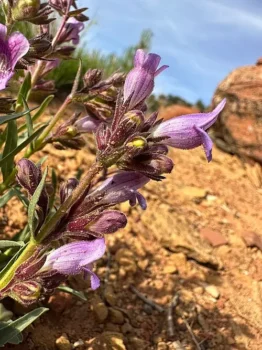
Coiled Anther Penstemon: A Hidden Gem for Your Native Garden
If you’re looking to add a splash of purple magic to your native plant garden, let me introduce you to one of the Southwest’s best-kept secrets: the coiled anther penstemon (Penstemon ophianthus). This charming perennial might not be as famous as its penstemon cousins, but it’s definitely worth getting to know!
What Makes Coiled Anther Penstemon Special?
The coiled anther penstemon is a delightful herbaceous perennial that brings both beauty and ecological value to your garden. As its name suggests, this plant gets its moniker from the unique coiled anthers found within its tubular flowers. Those gorgeous purple to blue blooms appear from late spring into early summer, creating a stunning display that’ll have your neighbors asking, What’s that beautiful plant?
This hardy forb typically grows as a low-growing perennial, making it perfect for rock gardens, wildflower meadows, and native plant collections. Don’t let its modest stature fool you – this little powerhouse packs a serious pollinator punch!
Where Does It Call Home?
Coiled anther penstemon is proudly native to the American Southwest, naturally occurring across Arizona, Colorado, New Mexico, and Utah. In the wild, you’ll find it thriving in the region’s challenging conditions, from rocky slopes to high-elevation meadows.
- Species observed
- No observations
Should You Plant It? (Spoiler Alert: Yes, But…)
Here’s where things get interesting. Coiled anther penstemon has a Global Conservation Status of S3S4, which means it’s considered somewhat rare and potentially vulnerable. But don’t let that scare you away from growing it – quite the opposite! By cultivating this native beauty in your garden, you’re actually helping to preserve it for future generations.
The catch? Make absolutely sure you source your plants or seeds from reputable native plant nurseries that propagate their stock responsibly. Never collect from wild populations – that’s a big no-no for any rare plant!
Perfect Garden Situations
Coiled anther penstemon shines in several garden styles:
- Rock gardens: Its compact growth habit and drought tolerance make it a natural fit
- Xeriscape designs: Once established, it laughs in the face of dry conditions
- Native plant gardens: An authentic addition to Southwestern landscapes
- Pollinator gardens: Bees, butterflies, and hummingbirds can’t resist those tubular blooms
- Wildflower meadows: Adds vertical interest and color diversity
Growing Conditions That Make It Happy
The secret to success with coiled anther penstemon? Think desert mountain meadow. Here’s what it loves:
- Sunlight: Full sun to partial shade (morning sun is especially appreciated)
- Soil: Well-draining is non-negotiable – soggy feet are this plant’s kryptonite
- Water: Drought tolerant once established, but appreciates occasional deep watering during extreme dry spells
- Climate: Hardy in USDA zones 4-8, handling both cold winters and hot summers like a champ
Planting and Care Tips for Success
Growing coiled anther penstemon successfully is easier than you might think:
- Timing: Plant in spring after the last frost, or in fall about 6-8 weeks before hard freeze
- Soil prep: If your soil doesn’t drain well, work in some coarse sand or gravel
- Spacing: Give plants room to breathe – overcrowding invites problems
- Watering: Water deeply but infrequently; established plants rarely need supplemental water
- Maintenance: Deadhead spent flowers to encourage continued blooming
- Winter care: Leave stems standing through winter – they provide habitat for beneficial insects
The Pollinator Party
Here’s where coiled anther penstemon really earns its keep! Those tubular purple flowers are perfectly shaped for:
- Hummingbirds: The flower shape is ideal for their long beaks and tongues
- Native bees: They love the pollen and nectar rewards
- Butterflies: A reliable nectar source during their active season
By planting coiled anther penstemon, you’re essentially rolling out the red carpet for these important pollinators!
The Bottom Line
Coiled anther penstemon deserves a spot in more gardens, especially if you’re passionate about native plants and supporting local ecosystems. Yes, it requires responsible sourcing due to its conservation status, but that just makes it more special, right? With minimal care requirements and maximum ecological benefits, it’s a win-win for both you and your local wildlife.
So go ahead, add this purple-bloomed beauty to your wish list. Your garden – and the hummingbirds – will thank you!